Dining room décor ideas
Whether you gather around the same table every evening or only use the dining area on special occasions, a well-planned dining room décor makes gatherings at home even more enjoyable. With the right dining table, dining chairs that allow you to move comfortably around them, and the necessary storage space, you can create a layout that suits you.
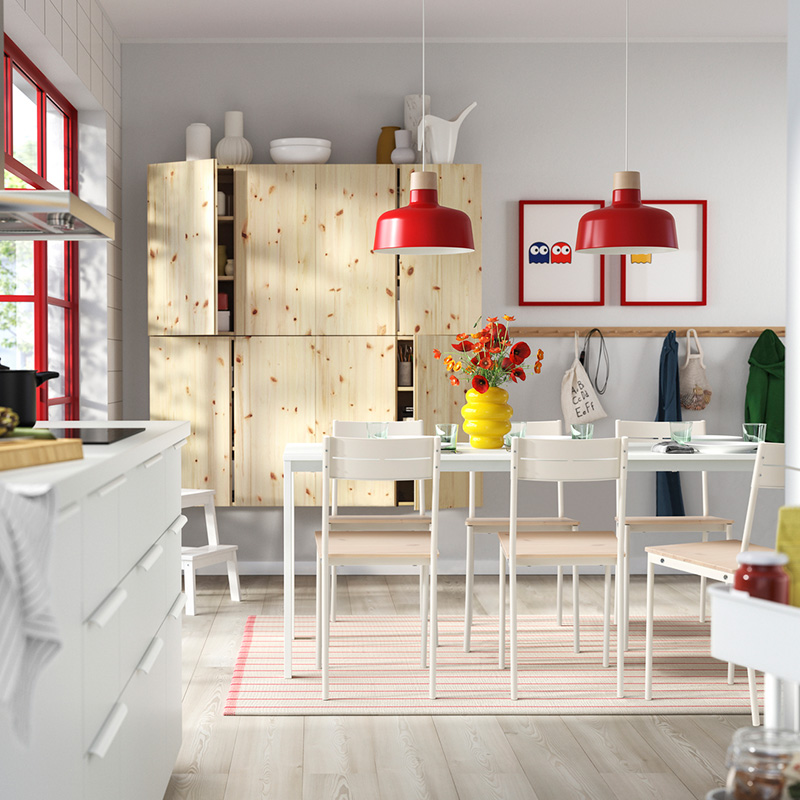
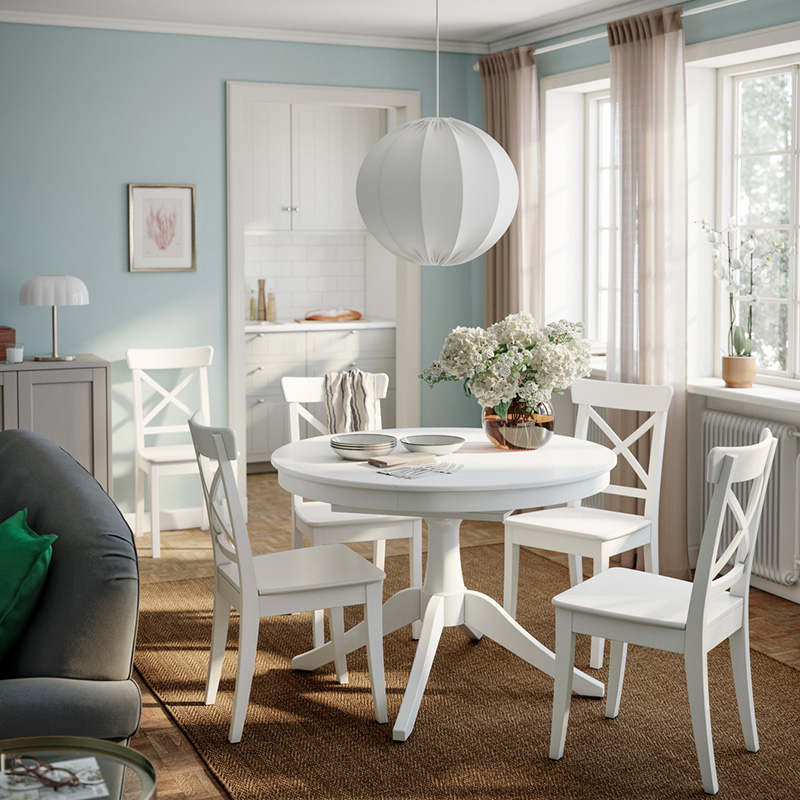

How to decorate a dining room?
Dining room decoration begins not with the size of the room, but with your daily life. How many people use the table, how often you entertain guests, and whether the dining area is shared with the living room or kitchen will determine your choices. This way, you can create a dining room layout that is not only attractive but also comfortable to use every day.
Once you’ve taken the room’s measurements, you can plan a layout that leaves sufficient space to move around the dining table. In an open-plan home, living room and dining room décor can be approached as a single unit; in a separate dining room, however, the table, storage units and lighting can form a balanced arrangement in their own right.
Choosing the right dining table for your dining room
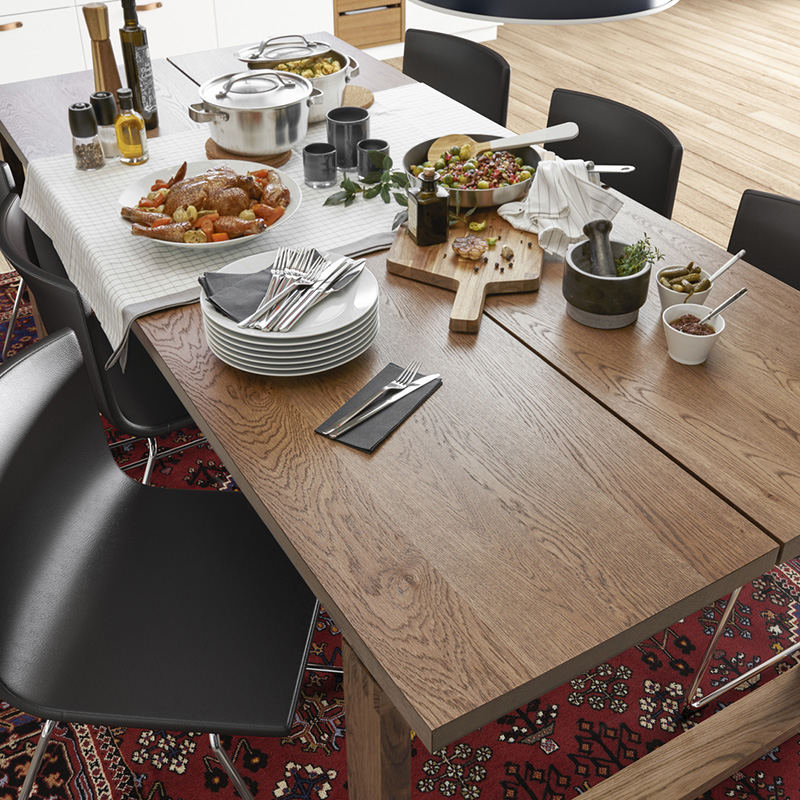
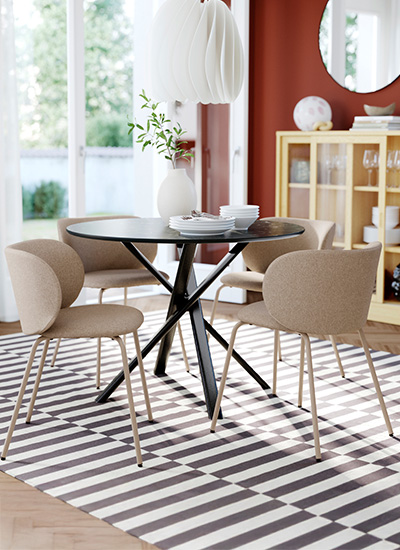
The shape of the dining table directly affects the space available for movement in the room. Whilst a rectangular dining table makes it easier to move around in a long room, round or square models may look more balanced in a square space. When choosing from table chair sets of different sizes, you can consider both the number of daily users and the space you need to leave around the table.
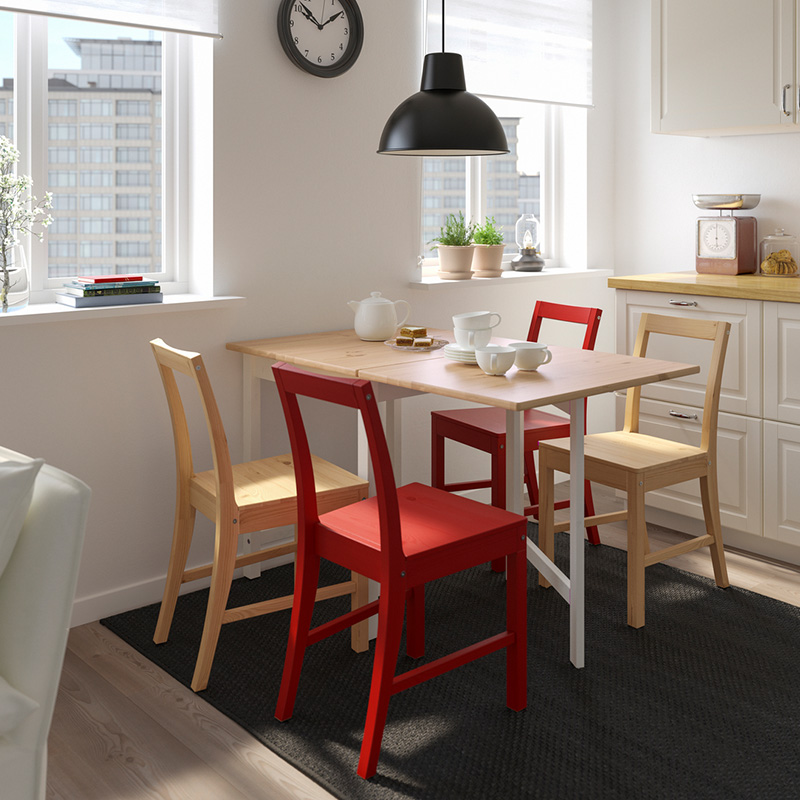
When decorating a small dining room, extendable dining table options leave more space to move about when not in use. For decorating a small rectangular living and dining room, placing the dining table parallel to the room’s long side can make movement easier. In a square living and dining room layout, positioning the table in the centre of the space can create a clearer boundary between the two areas of the room.
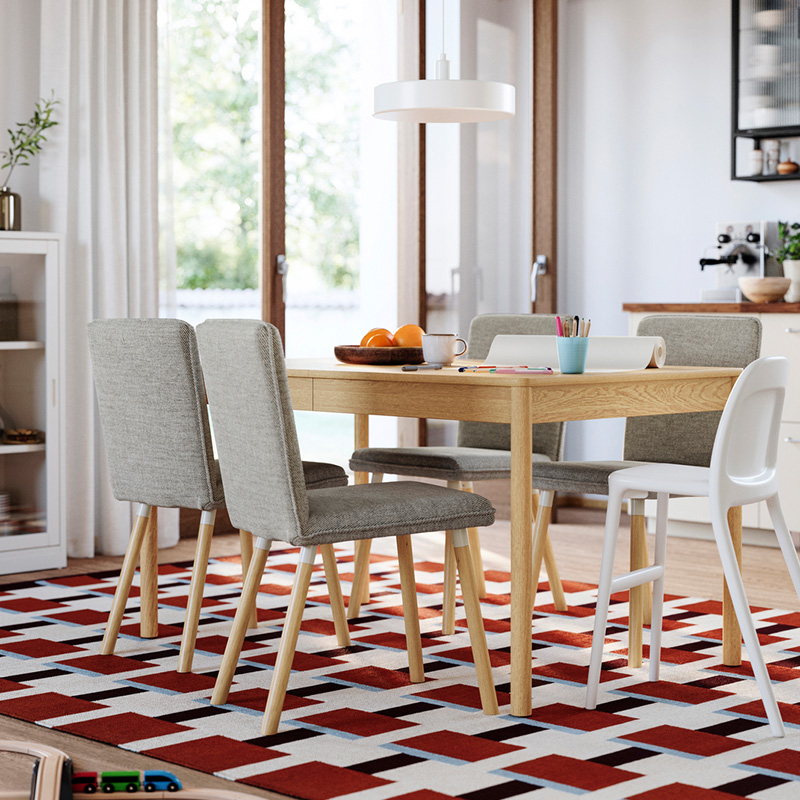

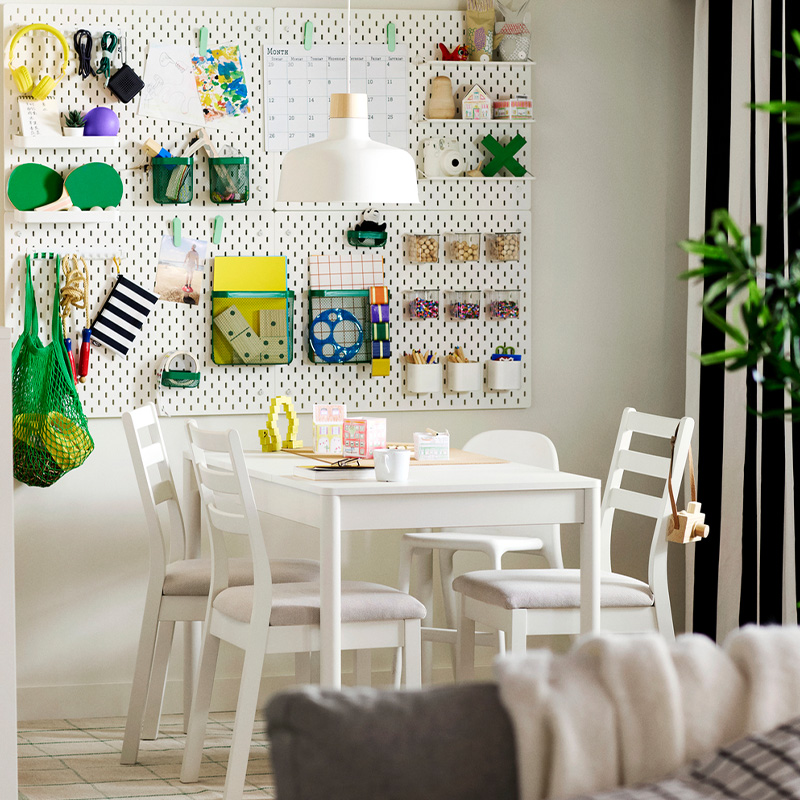
A comfortable arrangement with dining chairs
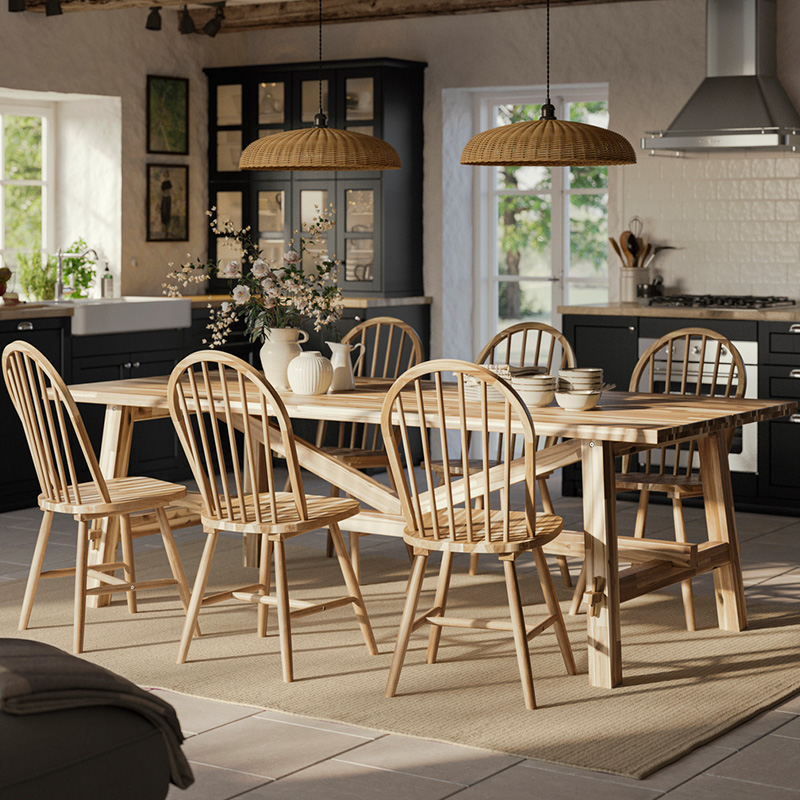
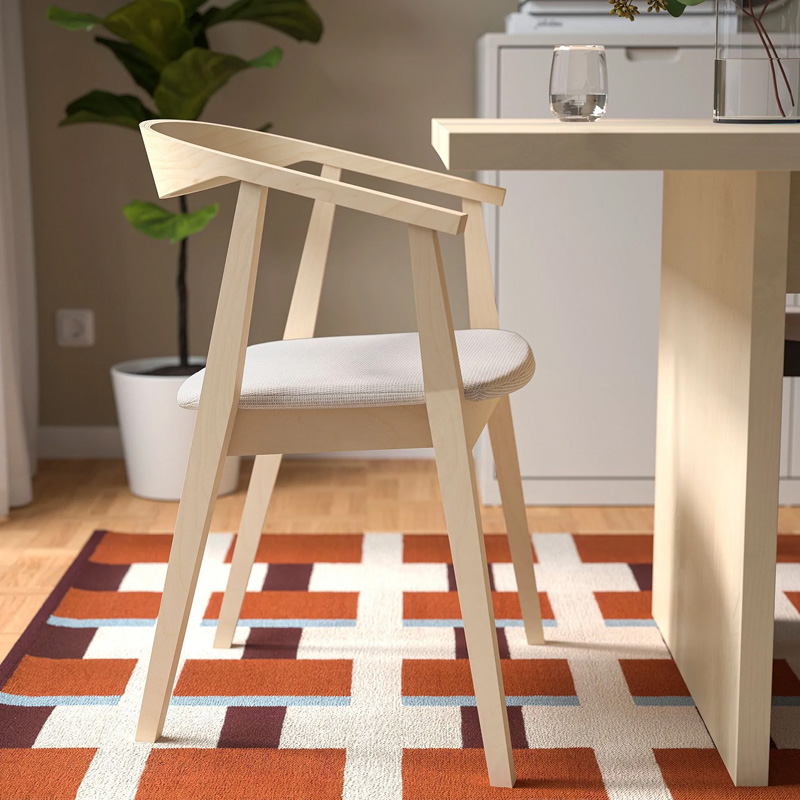
Ensuring that dining chairs are the right height for the table makes mealtimes more comfortable. When determining the number of chairs to place around the table, you can leave enough space so that each chair can be pulled out easily. Dining room chairs, which come in a variety of materials and colours, do not have to match the table exactly; a shared colour or material detail may be sufficient to create a sense of unity.
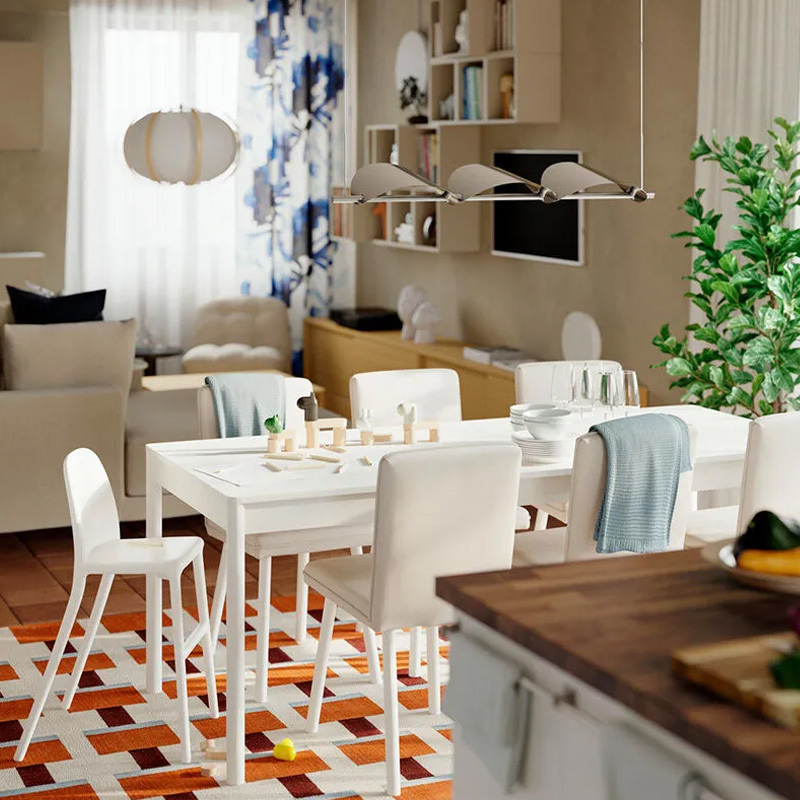
If the living room and dining area are in the same room, the appearance of the chairs can tie in with the furniture in the seating area. When planning living room and dining room décor, rather than flooding both spaces with the same colours, you can repeat similar textures in small details. The aim of the living room design and dining room décor approach outlined in the brief is also to organise these two distinct functional areas without separating them.
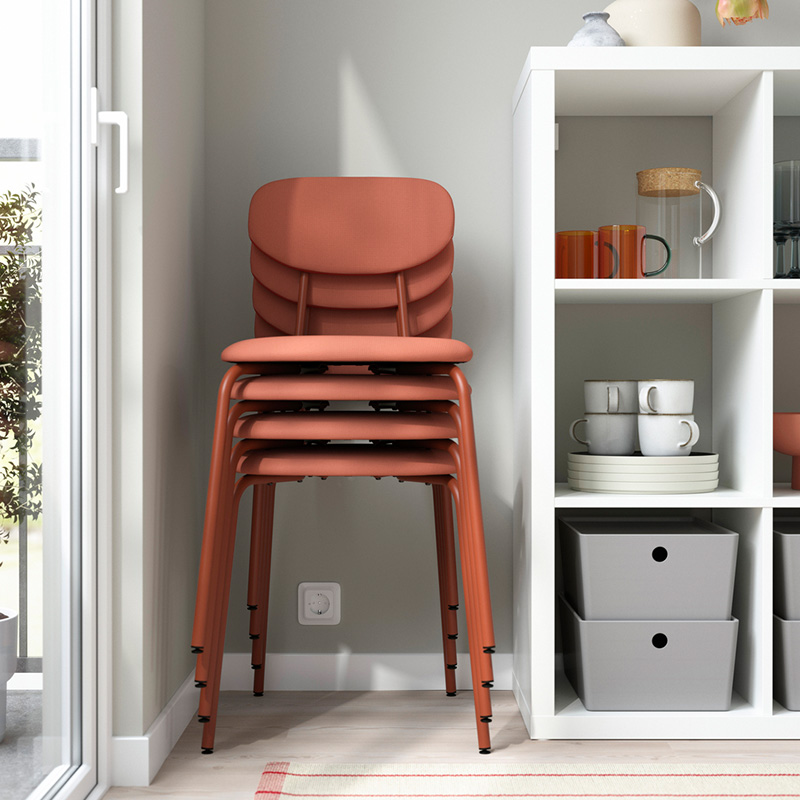
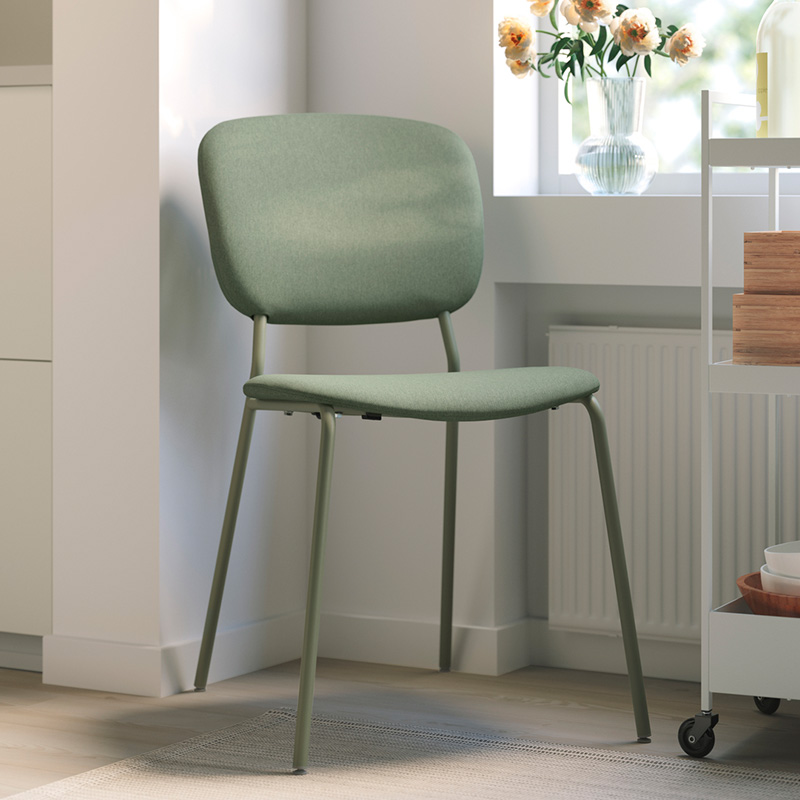
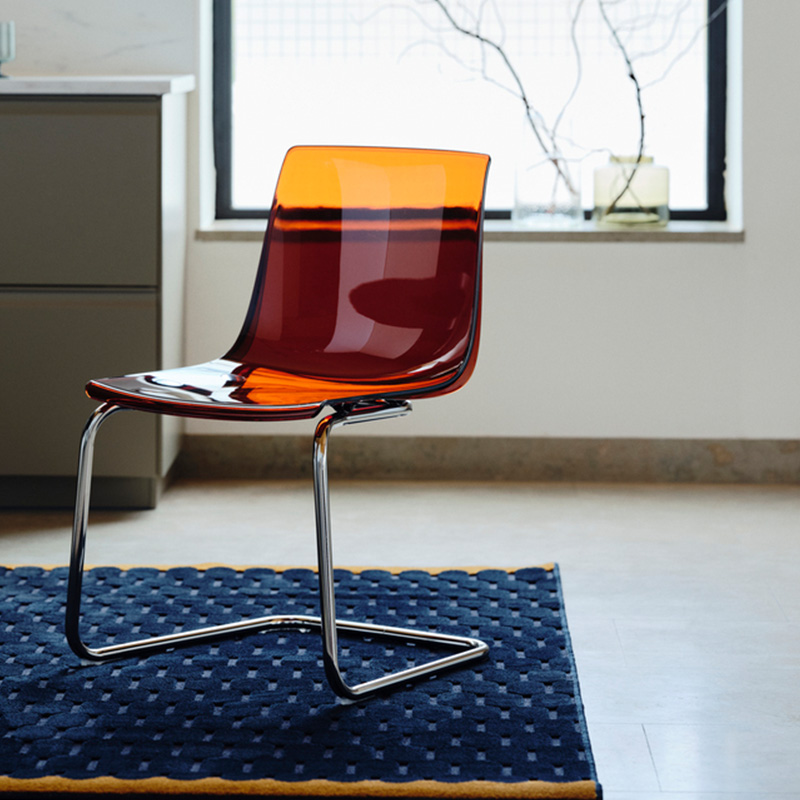
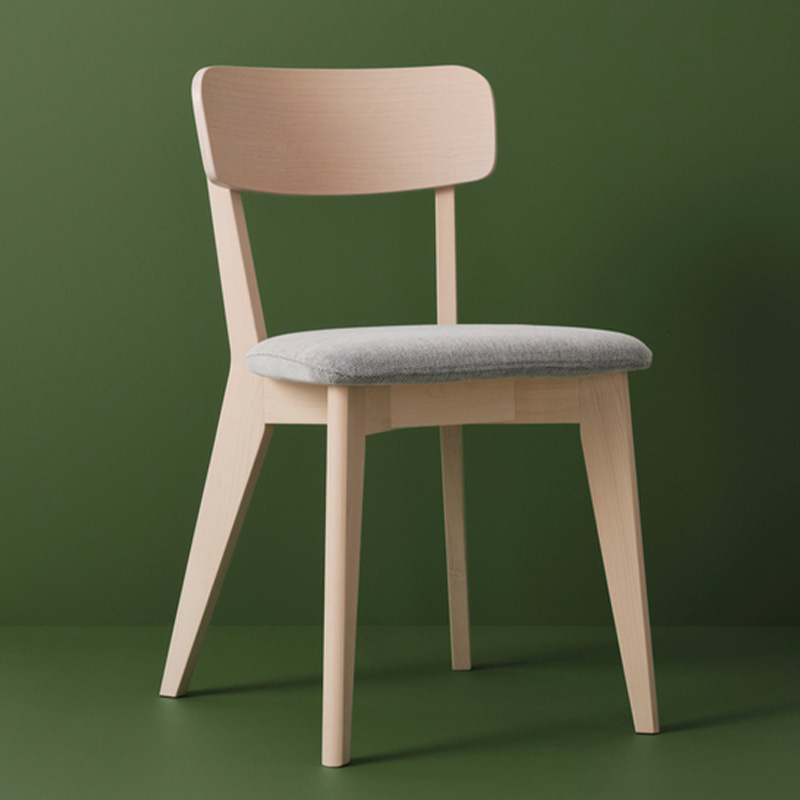
Balancing the dining area with colour
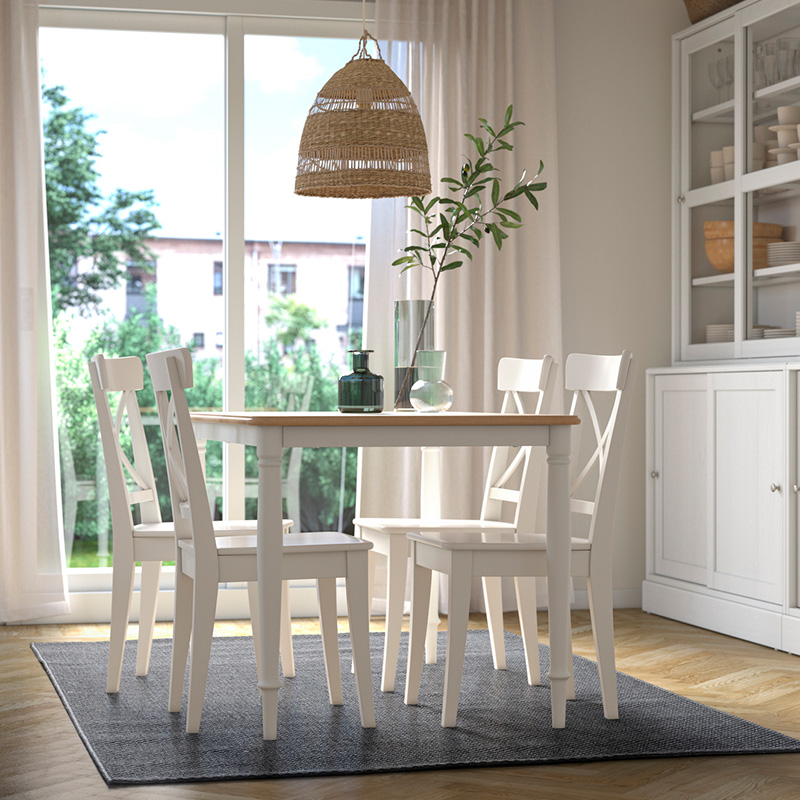
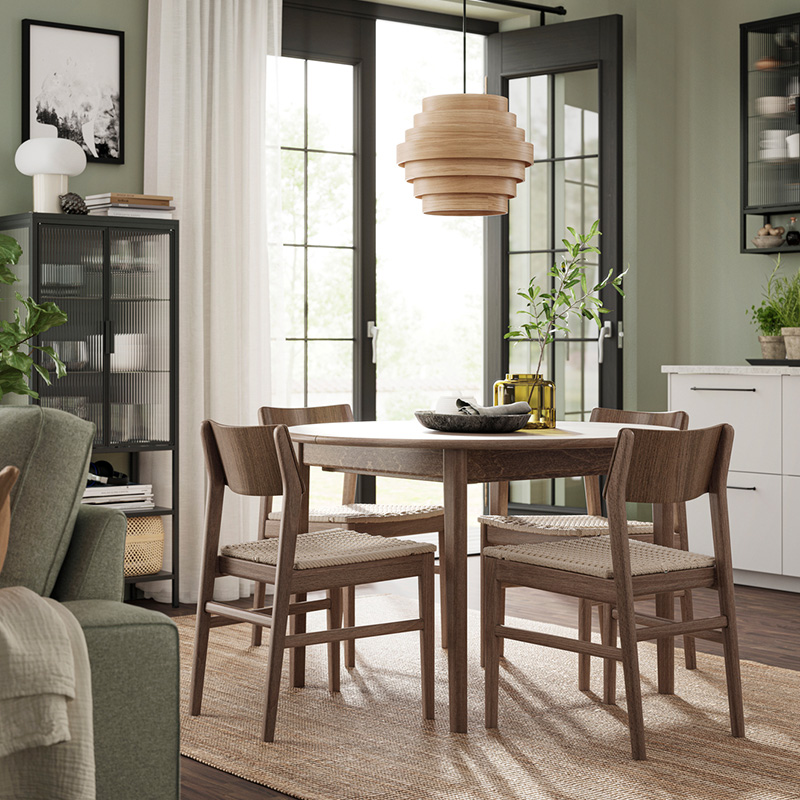
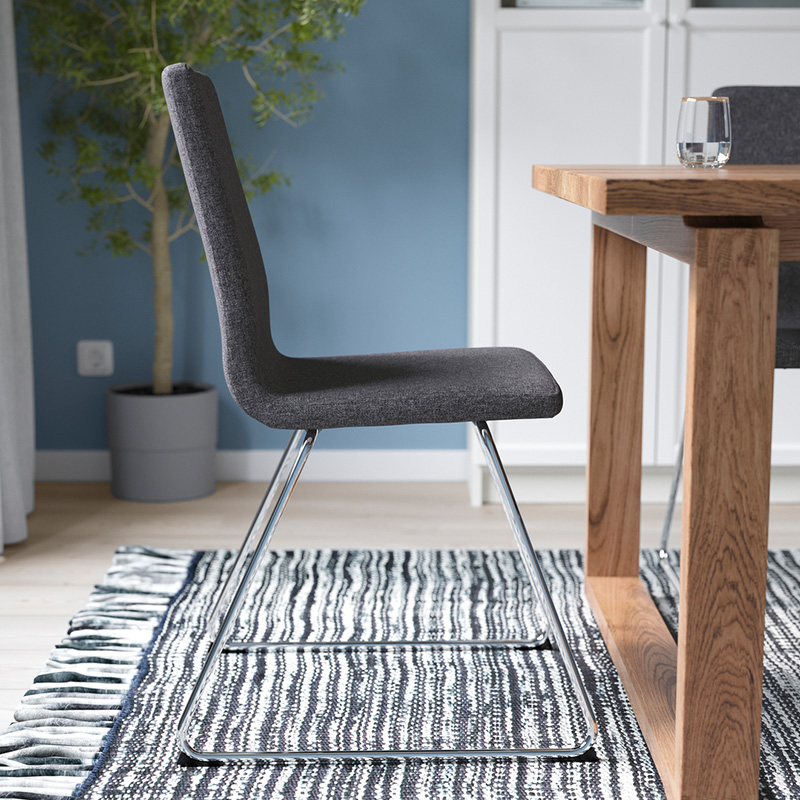
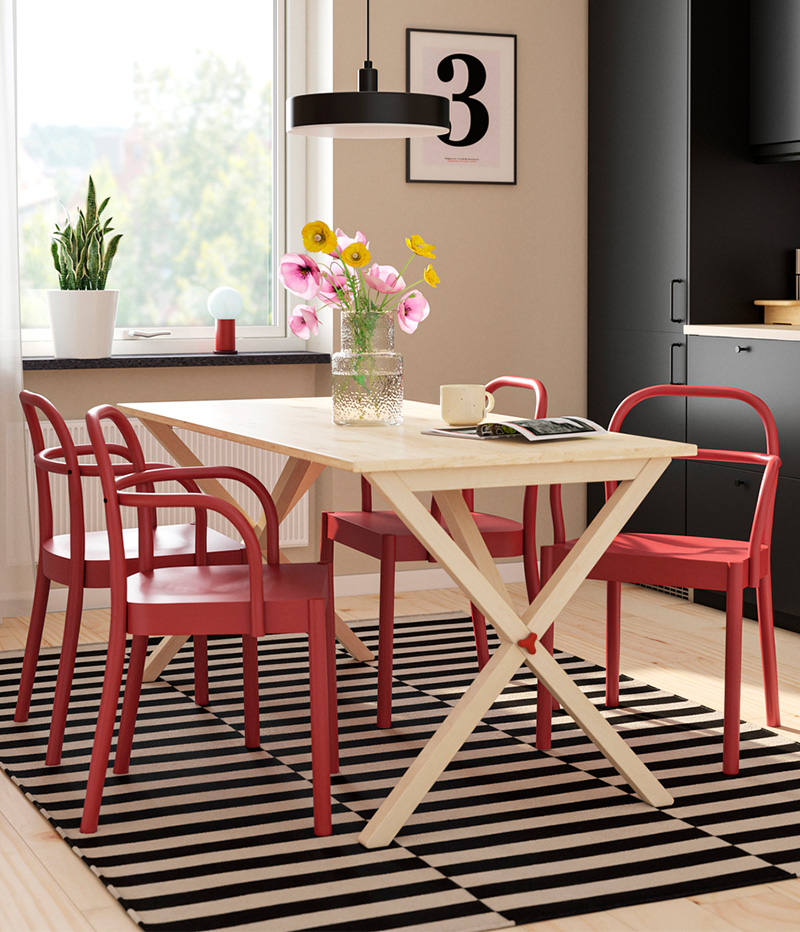
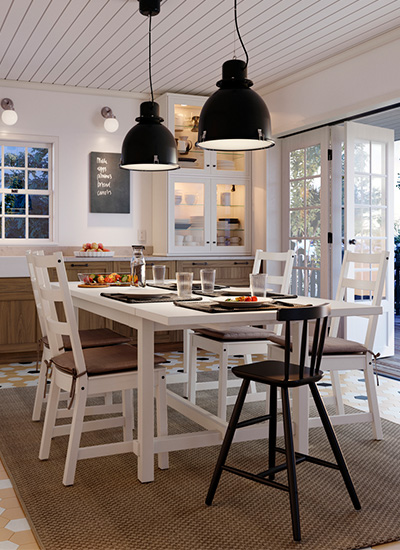
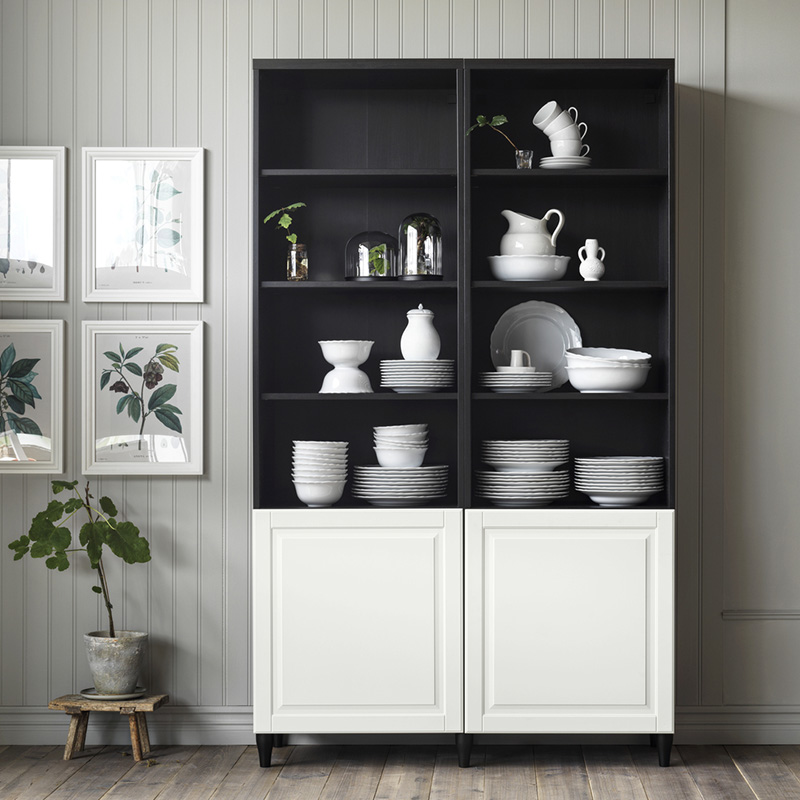
When choosing colours, it is important to consider not just the walls, but also the dining table, chairs and storage units. Wooden dining room décor can balance the warm look of natural materials with light-coloured textiles. White dining room décor creates a brighter look, whilst wooden details can prevent the room from appearing too monotonous.
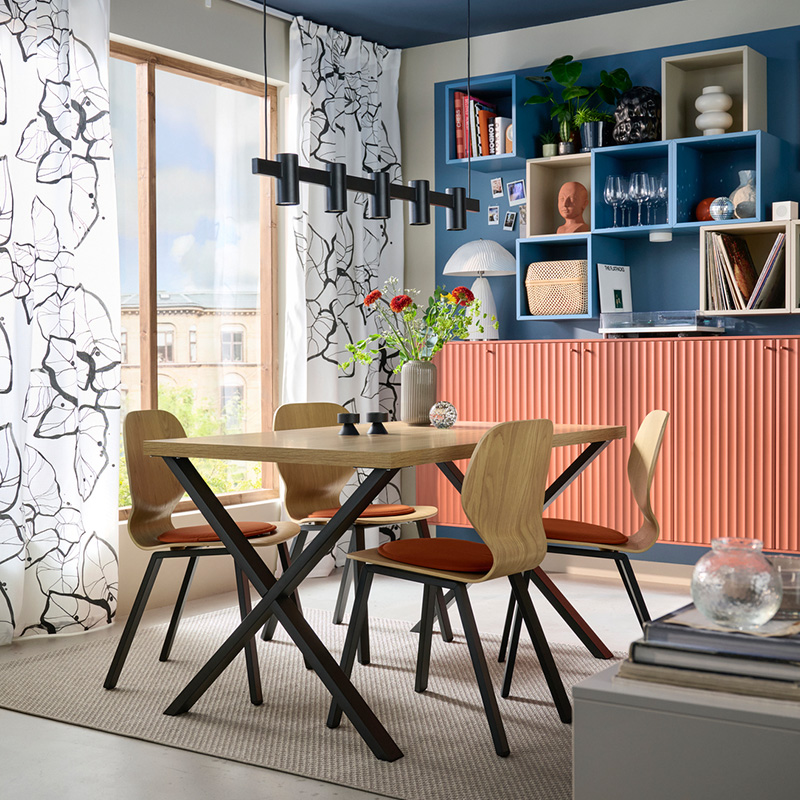
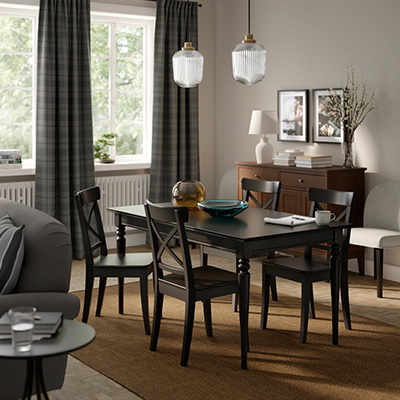
If you prefer more pronounced contrasts, you can incorporate light-coloured walls and textiles into black dining room décor. Grey dining room décor blends easily with different shades of wood. For modern dining room décor, rather than sticking to a single colour, you can emphasise clean lines, functional furniture and balanced lighting.

BERGSHYTTAN/STOCKHOLM 2025
dining set, tinted effect birch veneer/leather dark brown ₺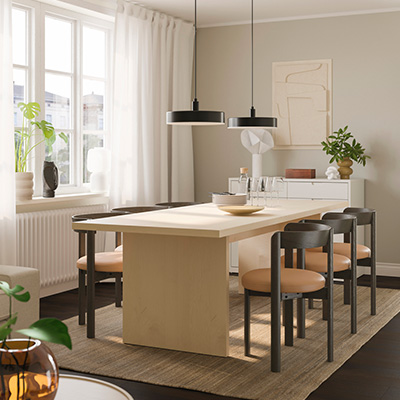
Storage and wall arrangement
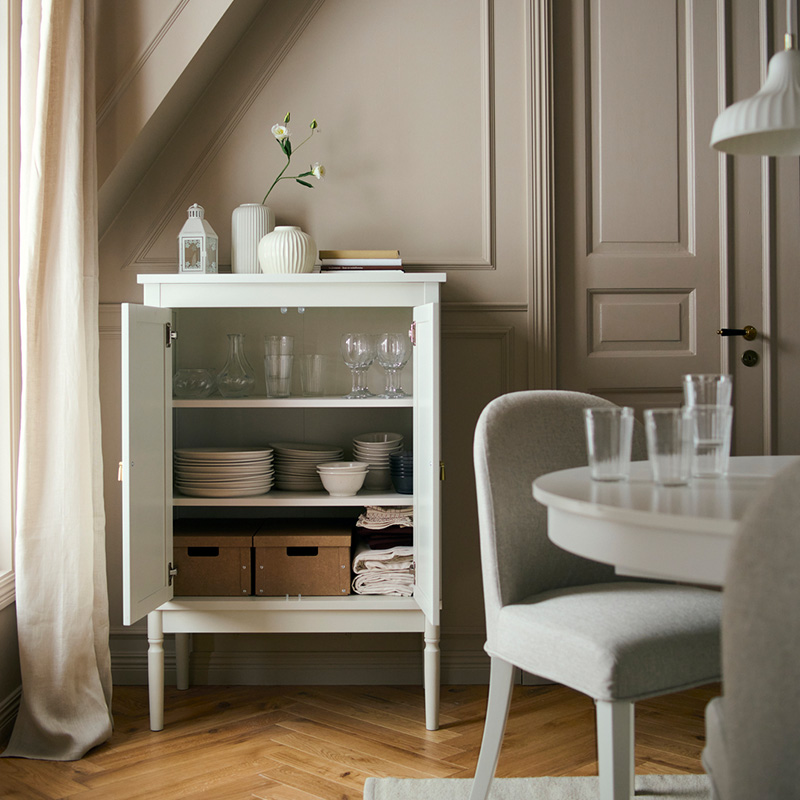
You can create an easily accessible storage area in the dining space for serving items, table textiles and frequently used crockery. Console tables with drawers can keep small serving items and tablecloths together, whilst their tops can be used for decorative objects. A console positioned close to the table ensures that the items you need whilst setting the table are within easy reach.
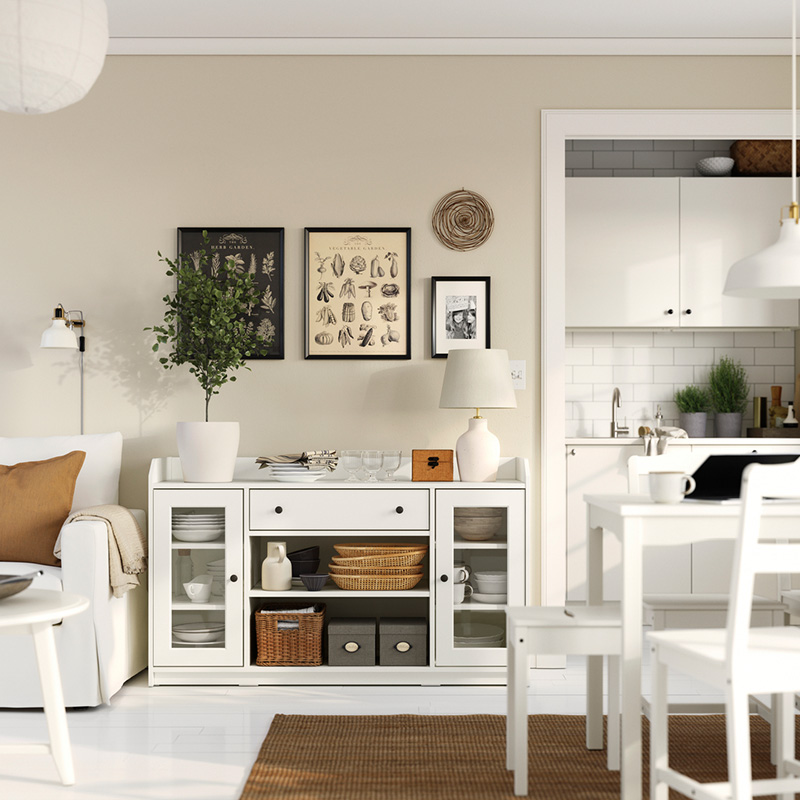
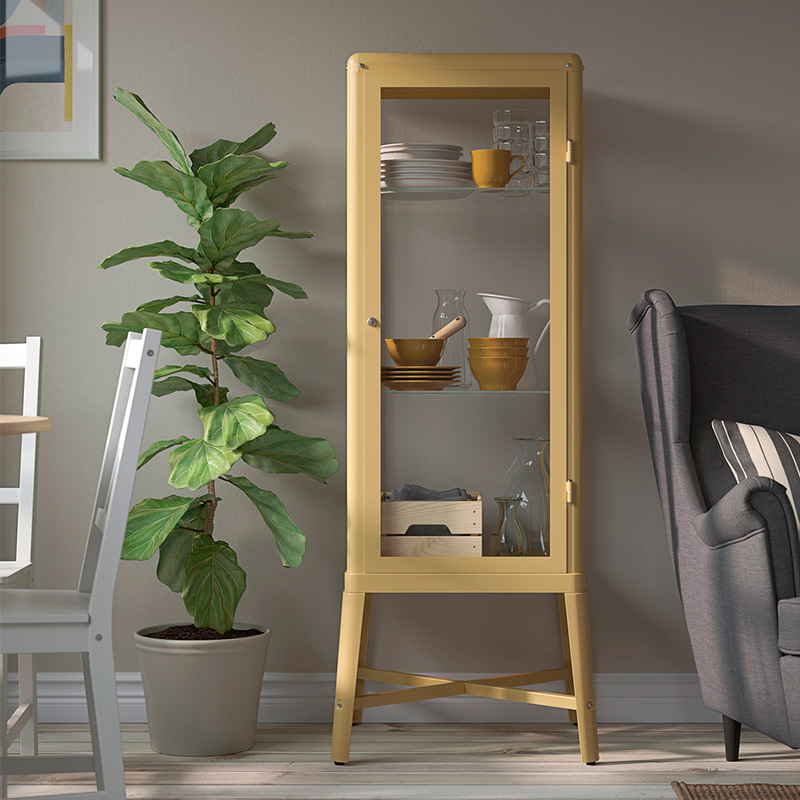
If you have glasses or tableware you wish to display, sideboards strike a balance between closed storage and visible organisation. When you need a larger surface area and different storage compartments, buffets can help you group items in the dining area.
Dining room wall décor rather than covering the entire wall, you can create a focal point related to the table or console table. Dining room mirror décor can make the room appear brighter by positioning the mirror where it can reflect natural light. Ensuring that the wall-mounted pieces are proportionate to the width of the table creates a more organised look.
Rug and lighting selection
The rug placed under the dining table should cover the seating area even when the chairs are pulled out. Easy-to-clean dining room rugs that fit the dimensions of the dining area can visually bring the table and chairs together, thereby defining the boundaries of the dining space.
Chandeliers that illuminate the table can be positioned at a point where the light reaches the table evenly. If the lighting is positioned too high, the dining area may be left to the general room lighting; if it is positioned too low, it may obstruct the view around the table. Particularly in kitchen-dining room décor, having the general lighting and the light above the table complement one another ensures a more comfortable experience.