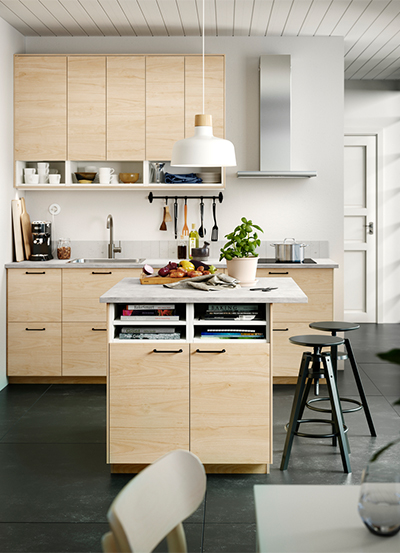
Make the most of your walls with shelves
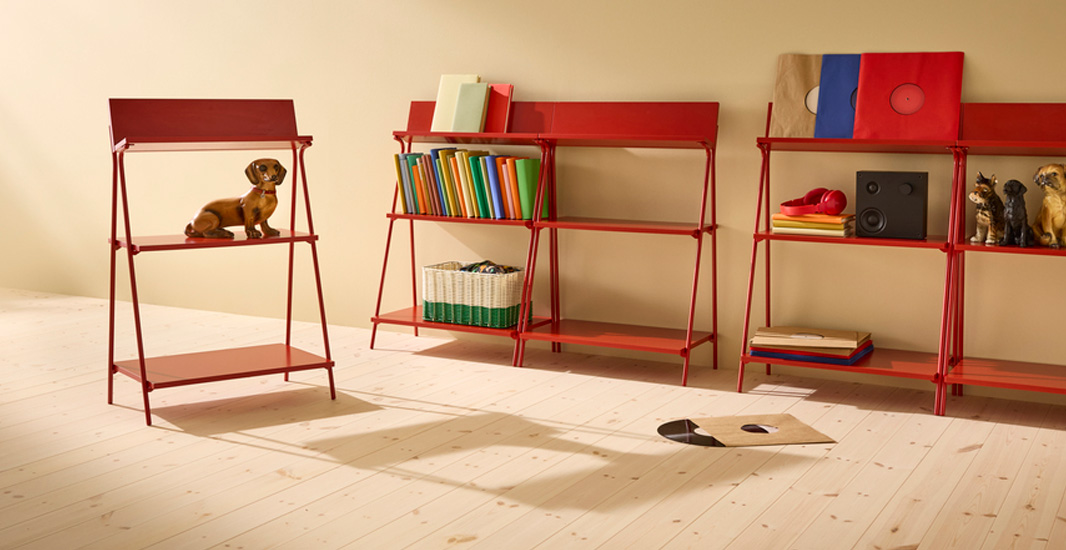
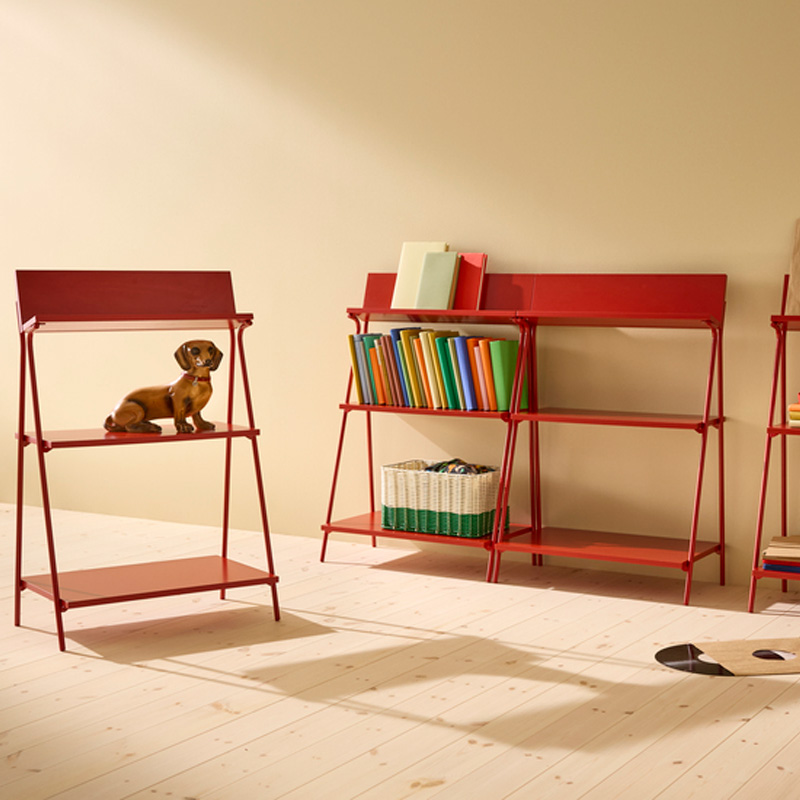
An empty wall can provide a new space for your favourite books, pictures and everyday items. Mounting shelves without drilling into the wall is one of the solutions often considered, particularly in homes where you do not wish to make permanent alterations to the wall. The key here is to ensure that the product you choose is suitable for this purpose and that the method specified in the assembly instructions is followed to the letter.
Contents
1. How do you hang a shelf without drilling into the wall?
2. What materials do you need to hang a shelf without drilling into the wall?
3. What should you bear in mind when hanging a shelf without drilling into the wall?
4. Which surfaces are suitable for drill-free shelf installation?
5. What are the advantages of installing shelves without drilling into the wall?
How do you hang a shelf without drilling into the wall?
Hanging a shelf without drilling into the wall is only possible if the product’s mounting system is suitable for this type of use. Wall shelves designed to be fitted with screws and wall plugs should not be secured to the wall using adhesive or tape. To determine how to install the shelf, you can assess the product information, the assembly instructions and the structure of the wall together.
If you do not wish to make any permanent alterations to your wall, first consider what you intend to display on the shelf. The space required for a few picture frames and small accessories is not the same as the load a shelf designed to hold books must bear. When planning how to secure a shelf without drilling into the wall, you must take into account both the shelf’s own weight and the items to be placed on it.
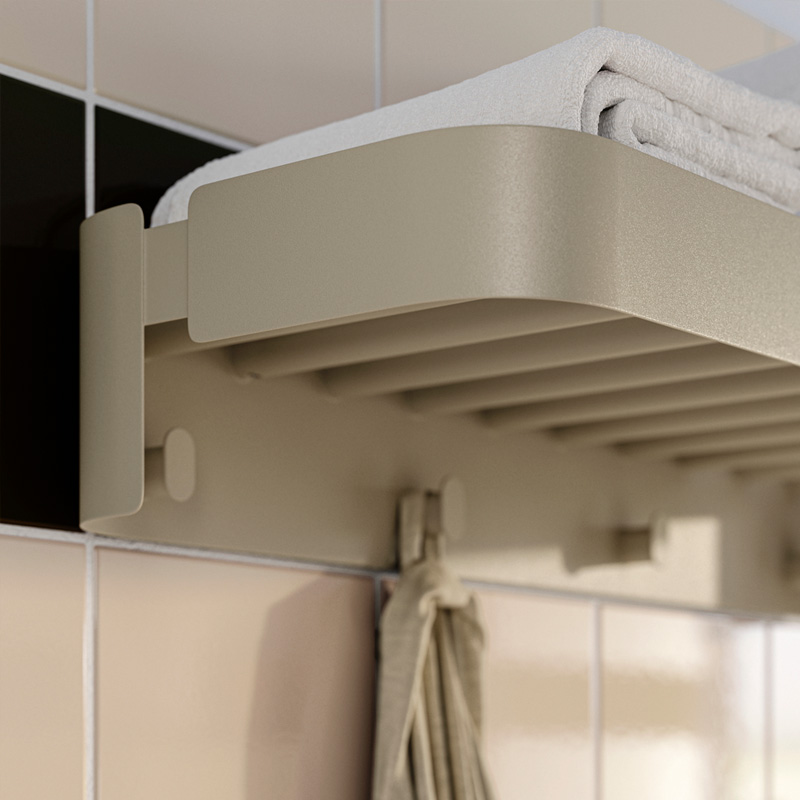
Check the shelf’s installation requirements
Just because a shelf looks simple and lightweight does not mean it is suitable for installation without drilling. For wall shelves without legs, the installation instructions provided with the product must be followed. If the instructions specify screws, wall plugs or other fasteners, wall-mounted shelf installation must be completed using these components.
Assess the wall’s structure
Painted walls, tiles, glass and wooden surfaces have different characteristics. Therefore, the same wall-mounted shelf fixing kit cannot be used on every surface. Once the wall’s material, surface finish and load-bearing capacity have been determined, fixing components compatible with the shelf must be selected. In cases of uncertainty, professional installation support may be sought.
Determine the correct position for the shelf
The position of the shelf should not be determined solely by the empty space on the wall. The direction in which doors open, the passageway in the room and any furniture situated beneath the shelf must also be taken into account. A wall-mounted shelf becomes a natural part of the room when positioned at a height that does not obstruct daily movements and allows easy access to the items on it.


Which surfaces are suitable for drill-free shelf installation?
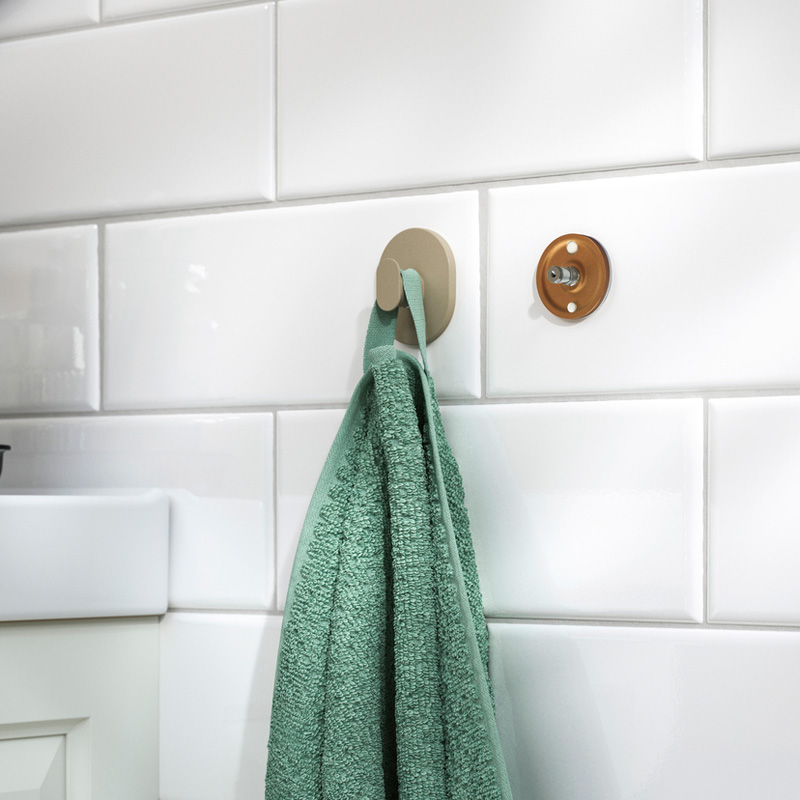
Drill-free fixings generally require clean, dry, flat and solid surfaces. Rough plaster, peeling paint, wallpaper or damp surfaces may adversely affect the hold of the fixing. However, a smooth surface alone is not sufficient; the product information must clearly state that the shelf and fixing system are suitable for use on that surface.
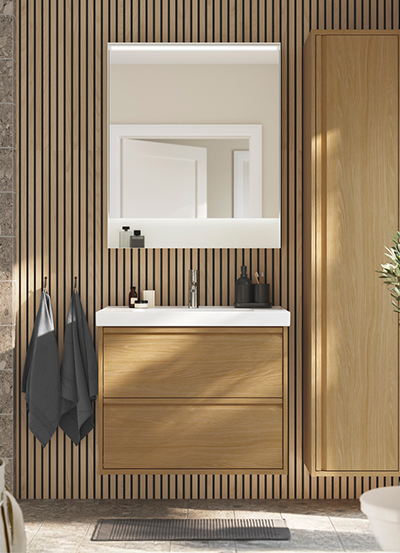
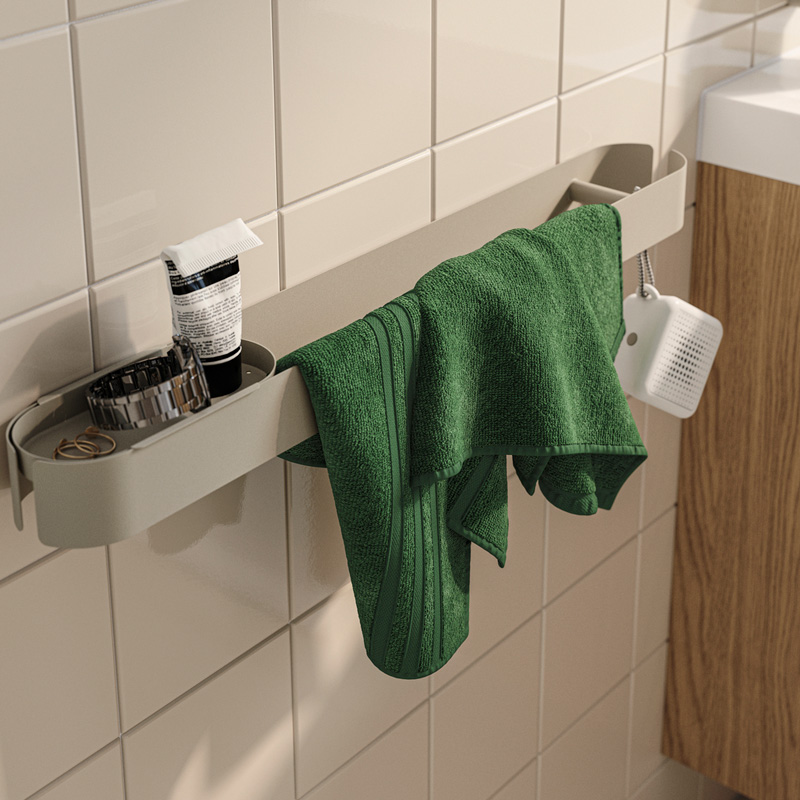
For shelves to be used in the bathroom, humidity and temperature fluctuations must also be taken into account. A wall-mounted bathroom shelf without drilling should only be chosen if the product is specifically designed for bathroom conditions and drill-free installation. The cleanliness of the tiled surface, the load-bearing capacity of the mounting system and the weight of the items to be stored on the shelf must all be assessed together.

What are the advantages of installing shelves without drilling into the wall?
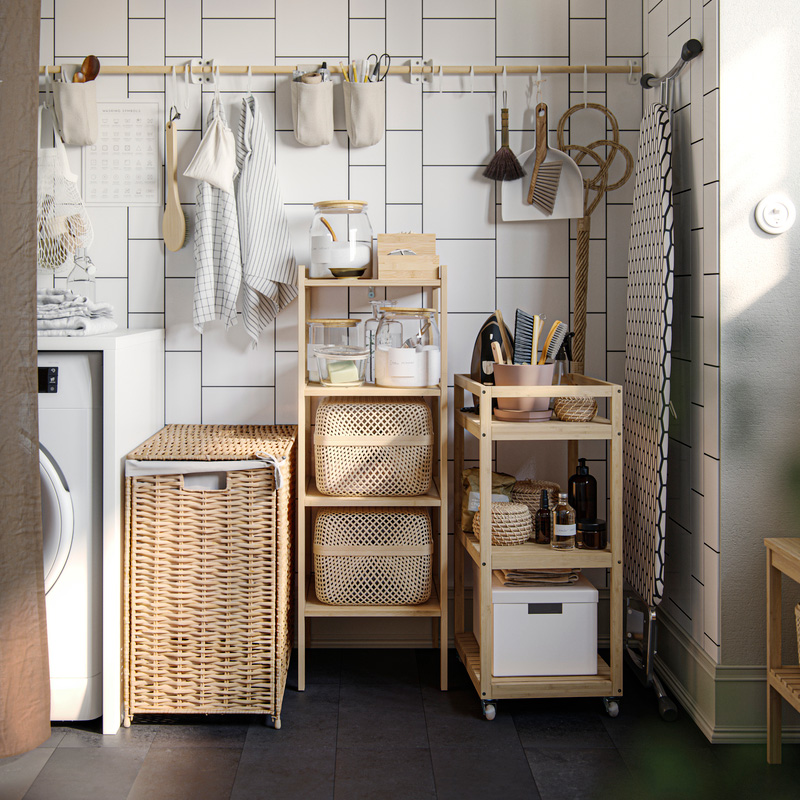
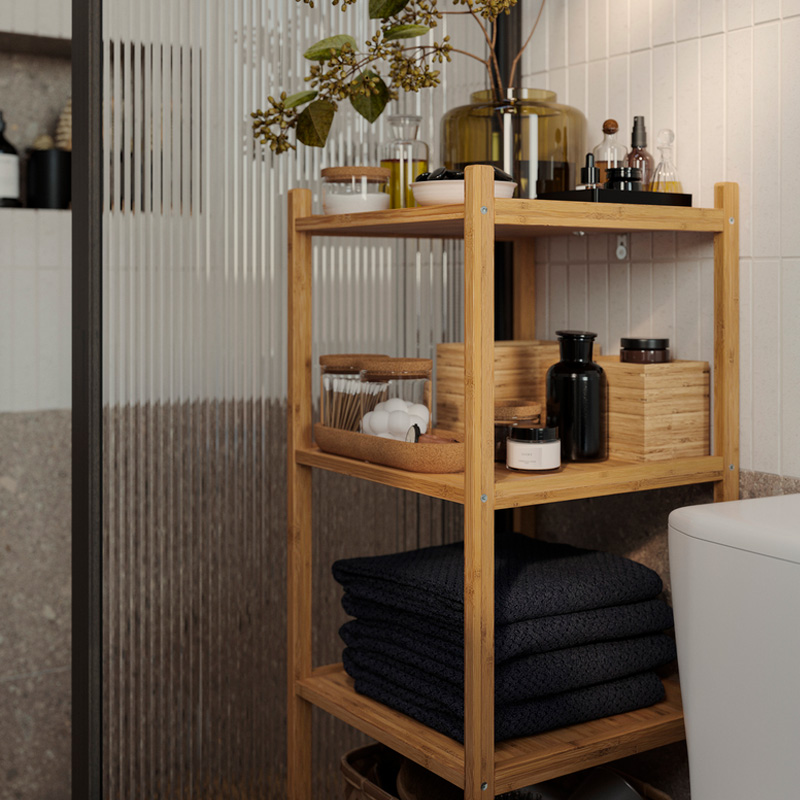
When the right product and surface are combined, wall-mounted shelving without drilling can create space for small items without leaving permanent marks on the wall. This method offers flexibility, particularly for those who wish to change the layout of their home from time to time. However, ensuring the shelf is used safely is just as important as preventing damage to the wall.
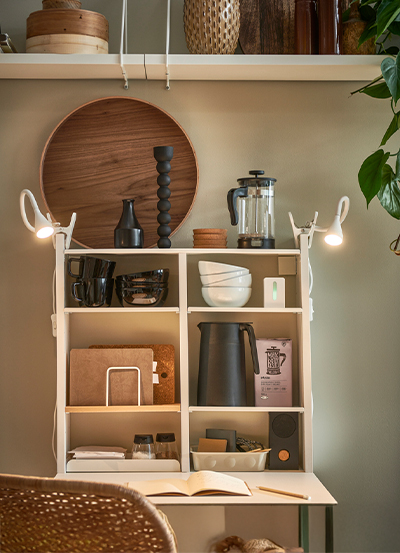
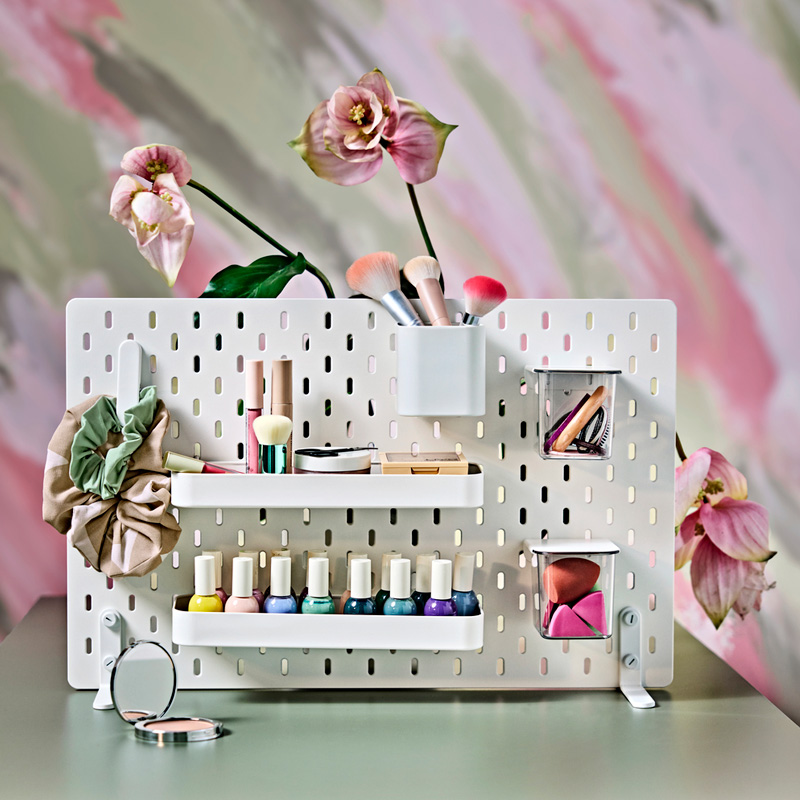
Those wishing to create a more flexible storage solution instead of a wall-mounted shelf may consider pegboards. Panels that bring together small work tools, accessories and everyday items help ensure the wall is used more efficiently. When installing the chosen panel, only the fixing method specified in the product instructions should be used.



Frequently asked questions
What types of adhesives and tape are used for drill-free shelf installation?
Adhesives and tape not recommended in the shelf’s installation instructions must not be used. General-purpose adhesive products may not be suitable for the shelf’s own weight or the items to be placed on it. The process of fixing the shelf to the wall must be carried out exclusively using the product’s specified fixing components and the recommended installation method.
How do you install a shelf on tiled or glass surfaces without drilling?
The fact that a tiled or glass surface is smooth does not necessarily mean that every shelf can be secured to these surfaces without drilling. The compatibility of the shelf and fixing system with the relevant surface must be checked in the product information. If the installation instructions do not specify a drill-free method, no alternative method should be used.
How should the surface be prepared when hanging a shelf without drilling into the wall?
Dust and moisture on the surface must be removed, and the wall must be allowed to dry completely. Installation must not be carried out on peeling paint, cracked tiles or loose cladding. Once the surface has been prepared, the fixing components must be fitted in the order specified in the product instructions.
Is it suitable to hang shelves without drilling holes in the wall for heavy books and objects?
In most cases, the use of shelves without drilling holes in the wall is not suitable for heavy books and objects. Load-bearing shelves must be securely fixed using fixing components appropriate for the wall’s structure. For heavy items, the shelf’s load-bearing capacity and installation safety should take precedence over aesthetic considerations.