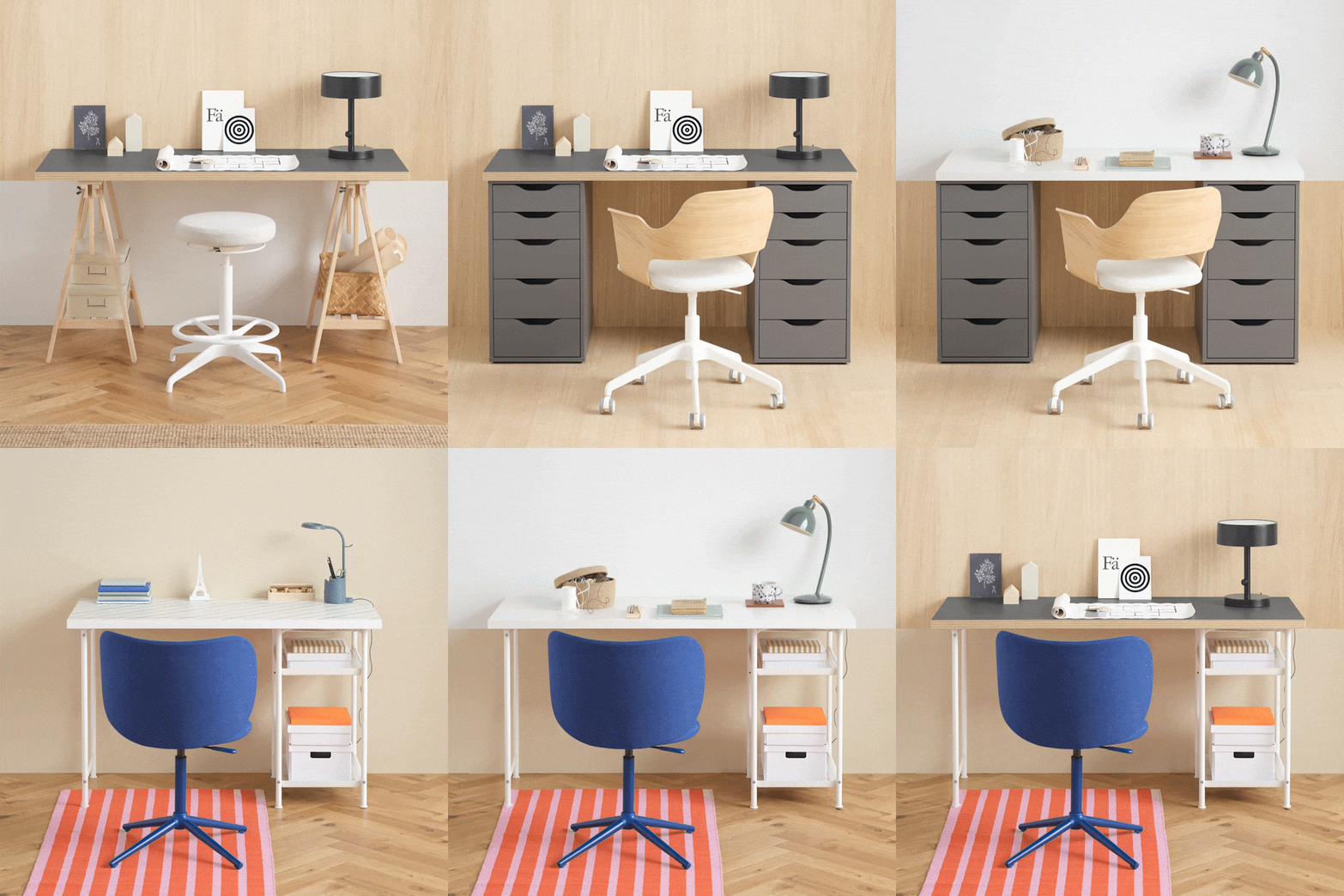
What should the ideal desk dimensions be?
The right desk can make a bigger difference than you might think: From where your elbows rest to how close you sit to your monitor. Desk dimensions not only help you make efficient use of the available space in the room but also enable you to set up a comfortable seating arrangement throughout the day. In short, when choosing a desk, you should ask yourself not just "will it fit here?", but also "can I work comfortably here?".
Contents
1. What are the standard desk dimensions?
2. How do you determine the ideal desk height?
3. How do you determine the width and depth of a desk?
4. How do you calculate the correct desk height based on your height and chair height?
5. When should height-adjustable desks be chosen?
6. How do desk dimensions vary depending on their intended use?
7. What should the dimensions of an office desk be?
8. What are the suitable dimensions for a computer or laptop desk?
9. How do the dimensions of children’s desks vary according to age?
What are the standard desk dimensions?
Standard desk dimensions can vary depending on the intended use, the type of desk and the user. For models designed for adults, the desk height is usually in the range of approximately 70–75 cm. The width and depth, however, vary from a compact setup with a single laptop to a workspace accommodating multiple screens. For this reason, rather than a single "correct" set of desk dimensions, it is more appropriate to determine a range that suits your specific usage.
The desk’s material and tabletop construction may also influence your choice. Wooden desks, which offer a variety of widths and design options, can help you plan your workspace in harmony with the other furniture in the room.
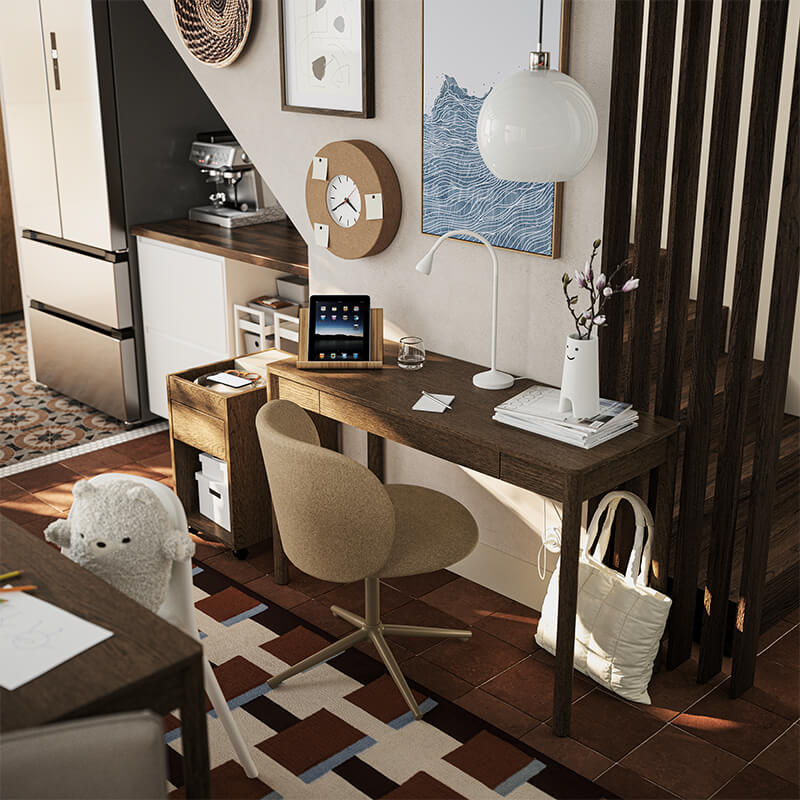
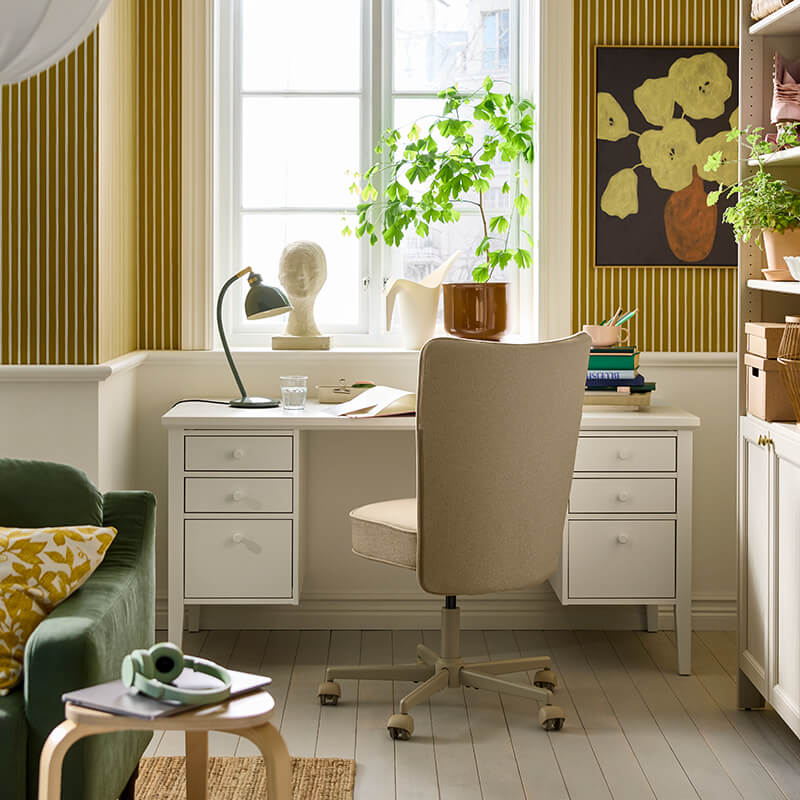
How do you determine the ideal desk height?
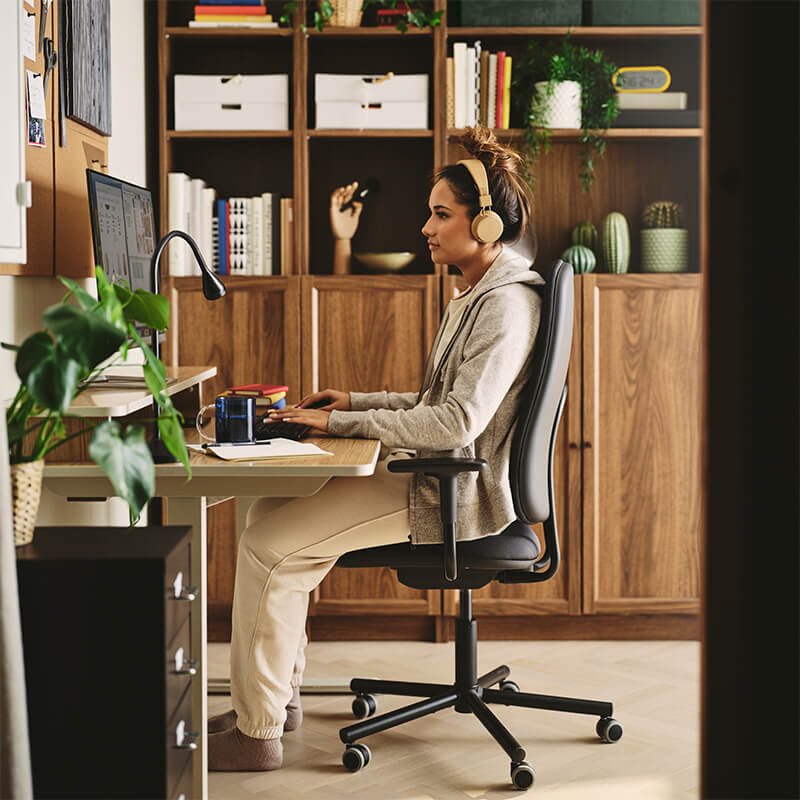
The ideal desk height is not a fixed figure but should be considered in conjunction with the user’s height, chair settings and working habits. If, when seated, your elbows can reach the desk surface at an angle of approximately 90 degrees and you do not need to raise your shoulders, the desk height is generally suitable for you. Desk dimensions should be considered in conjunction with chair height at this point.
Why is the height of a desk important?
The height of a desk from the floor directly affects the relationship between the chair and the desk. If the desk is too high, you may have to raise your shoulders; if it is too low, you may have to lean forwards. For this reason, when determining ergonomic desk dimensions, it is important that your elbows can rest comfortably on the desk surface, your feet are flat on the floor and your shoulders remain in a natural position.
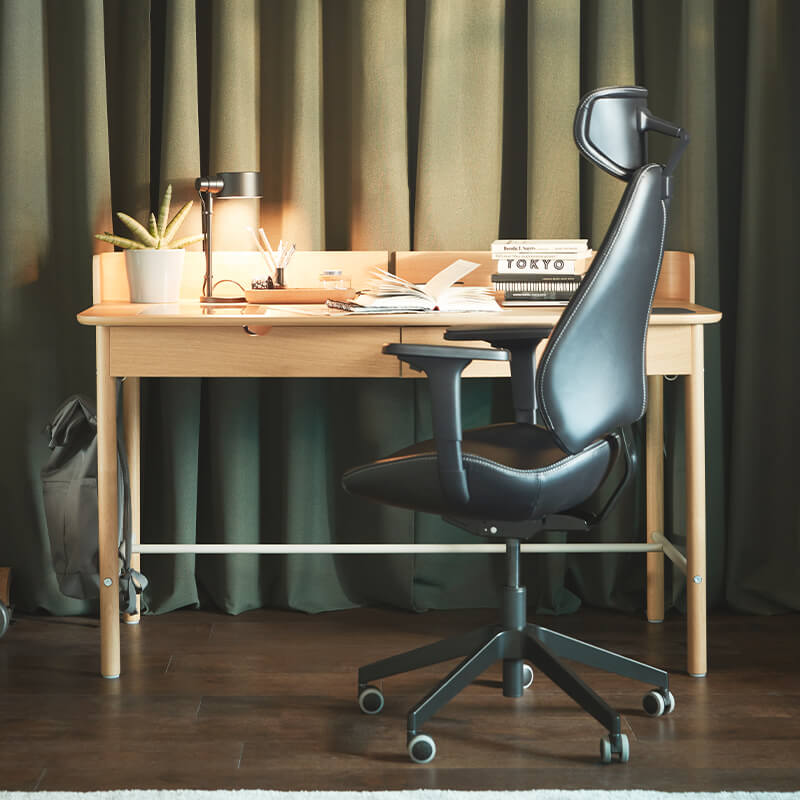
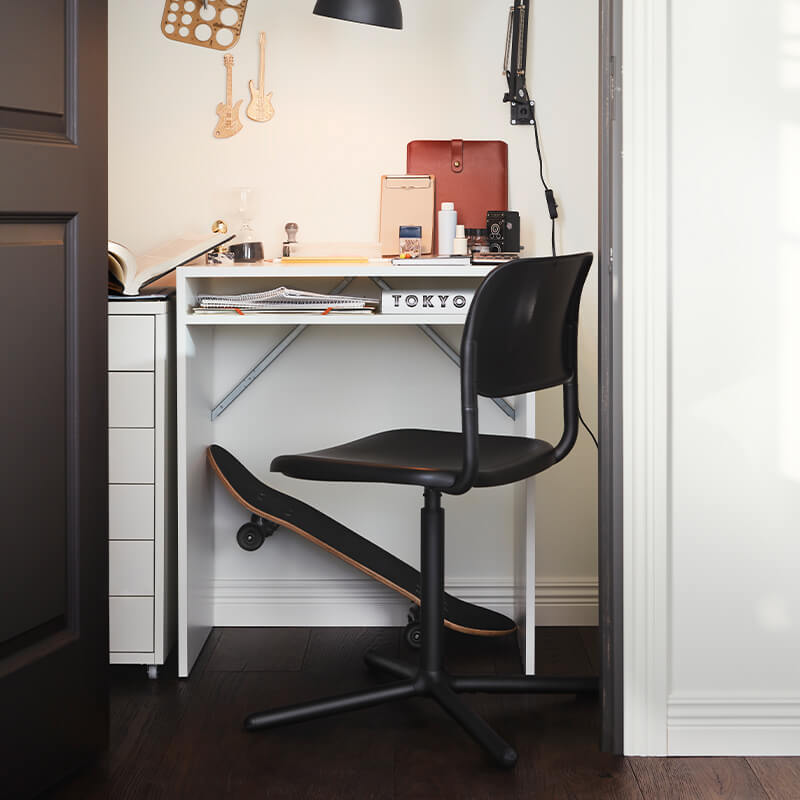
How do you determine the width and depth of a desk?
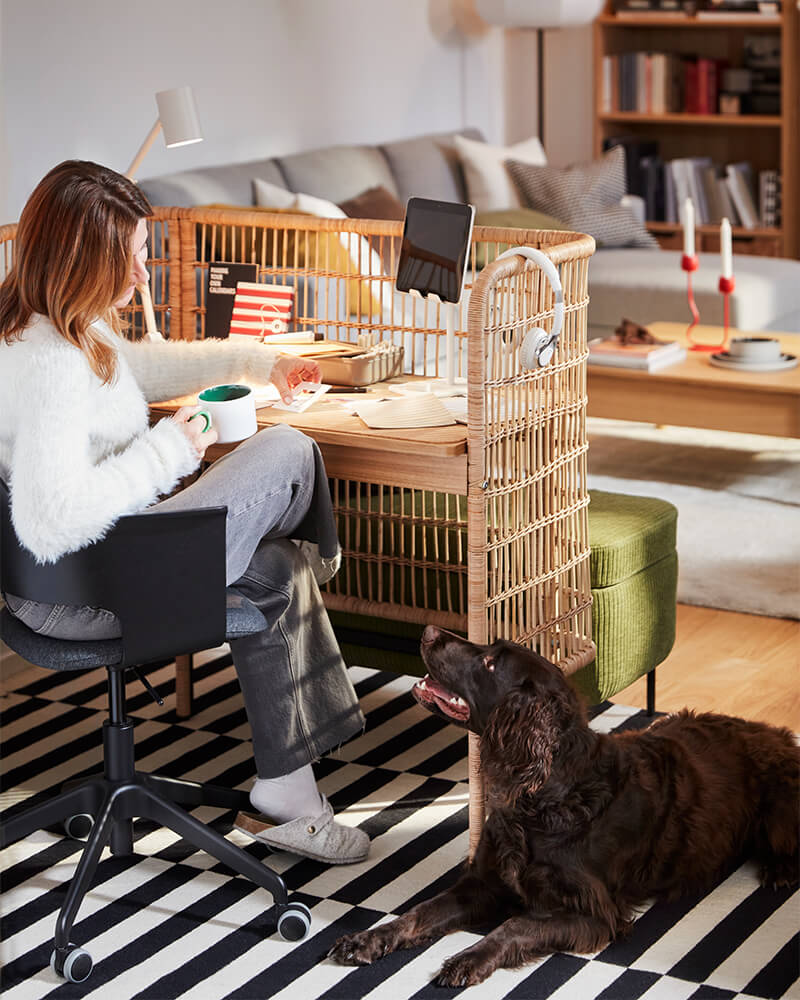
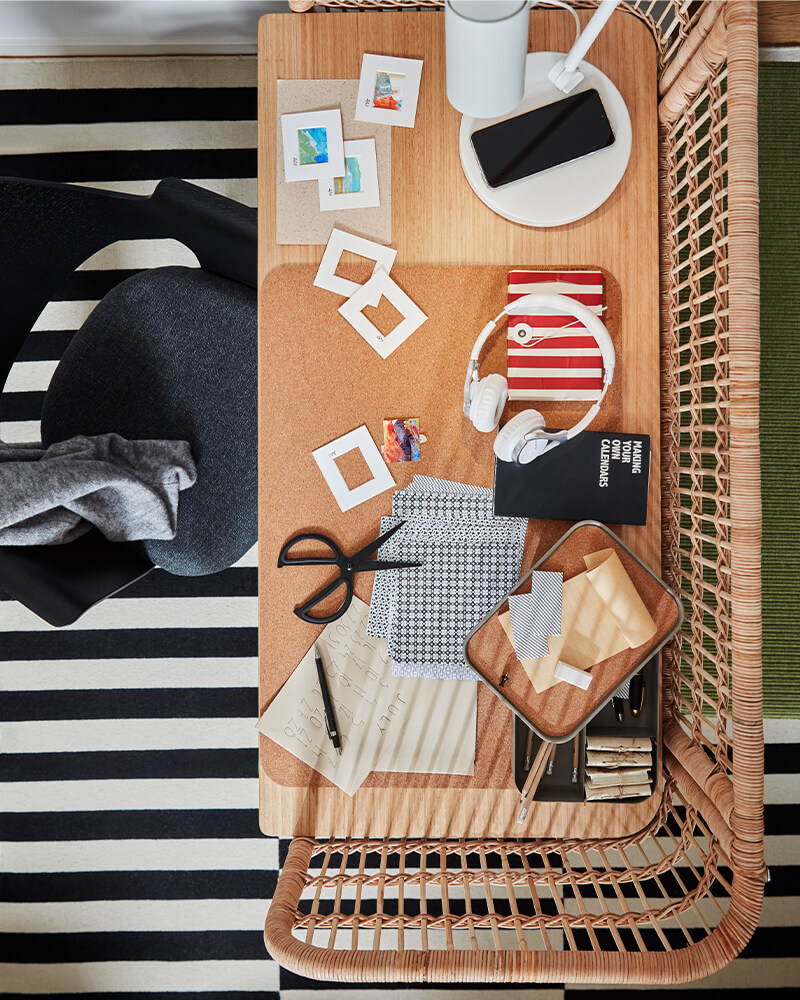
When determining the dimensions of a desk, first consider what will be placed on it. Whilst a narrower surface may be sufficient for a laptop and a notebook, those using a monitor, keyboard, desk lamp and paperwork will require a wider and deeper desktop. Desk dimensions should also be assessed in conjunction with the space required for chair movement, drawers and the clearance needed to move around the room.
How do you calculate the correct desk height based on your height and chair height?
First, adjust your chair so that your feet are flat on the floor and your knees are at a comfortable angle. Then, check that the desk surface is at a height where you can use it without straining your elbows. When making the calculation, considering not only your height but also your sitting height and arm length will give a more accurate result. Especially if you spend long periods at your desk, the dimensions of your desk should be tailored to your personal needs.


When should height-adjustable desks be chosen?
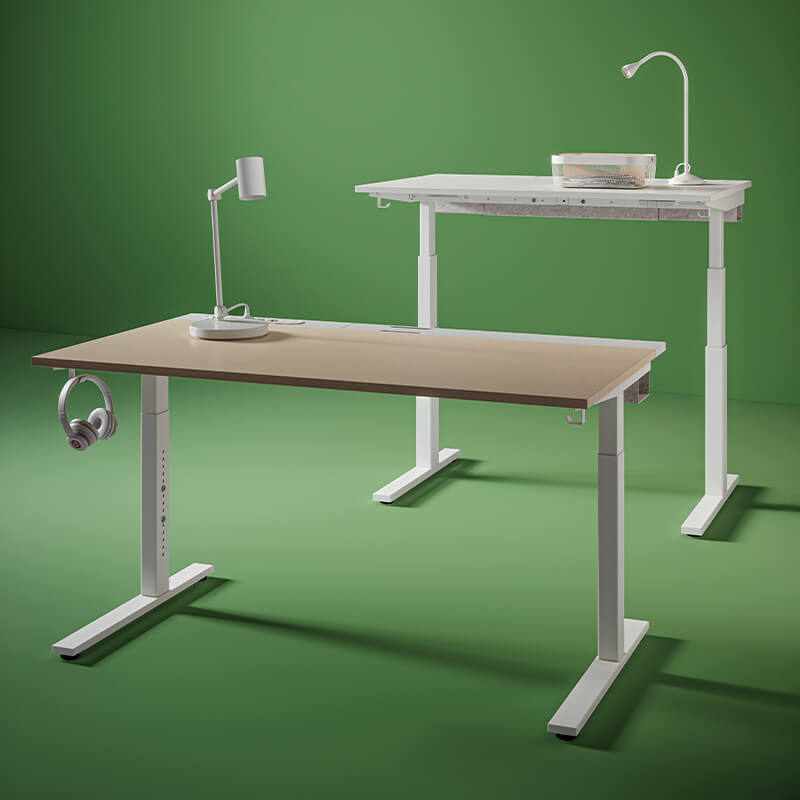
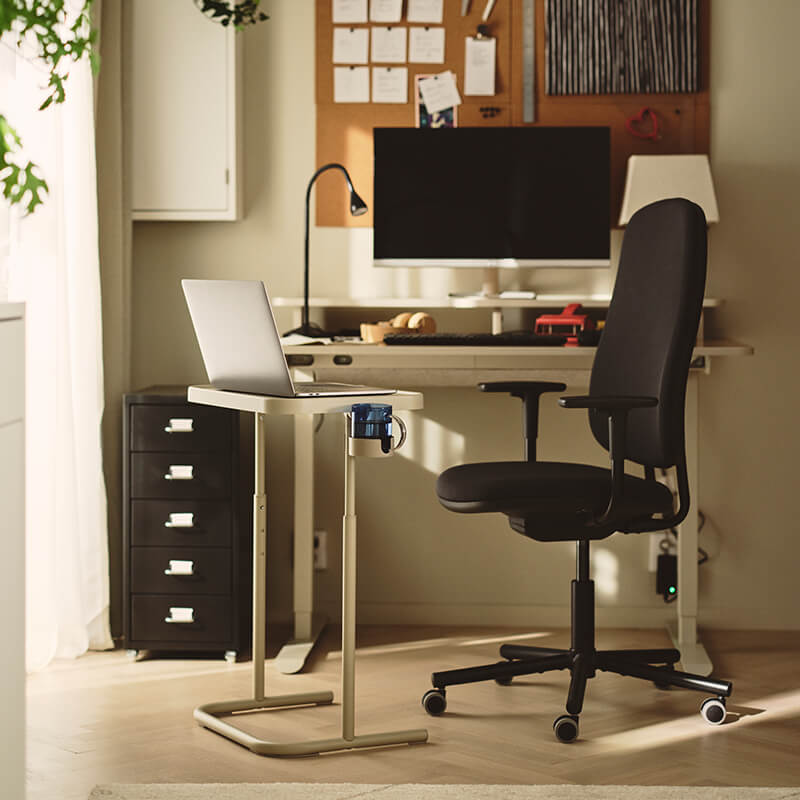
If you want to alternate between sitting and standing whilst working during the day, height-adjustable desks may be a good option. They also offer the advantage of allowing the desk height to be adjusted to suit individual users when the same desk is shared by different people. With these desks, the dimensions are designed not only for the sitting position but also for the standing height.
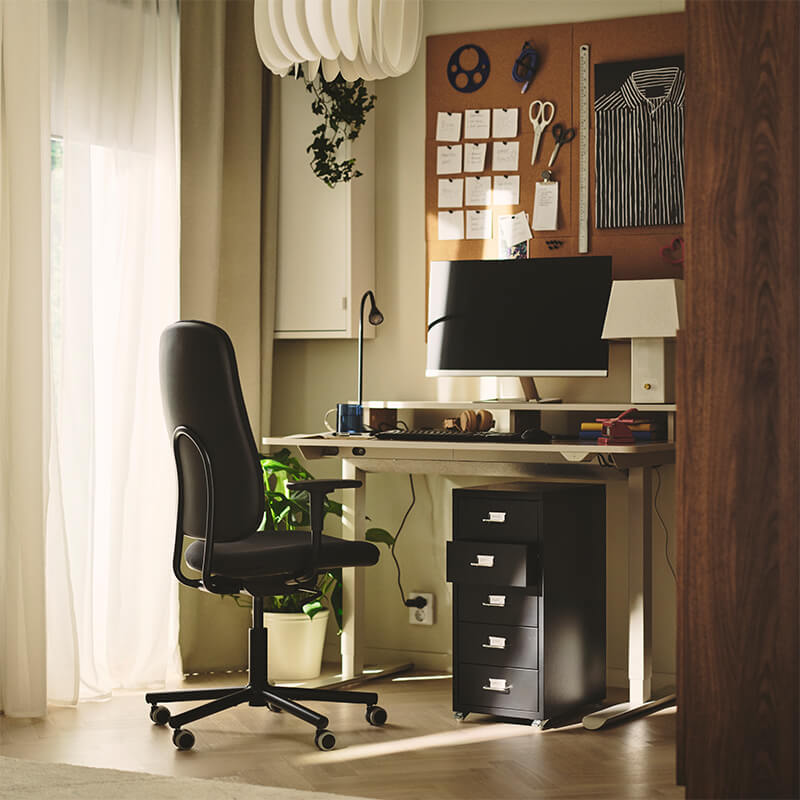
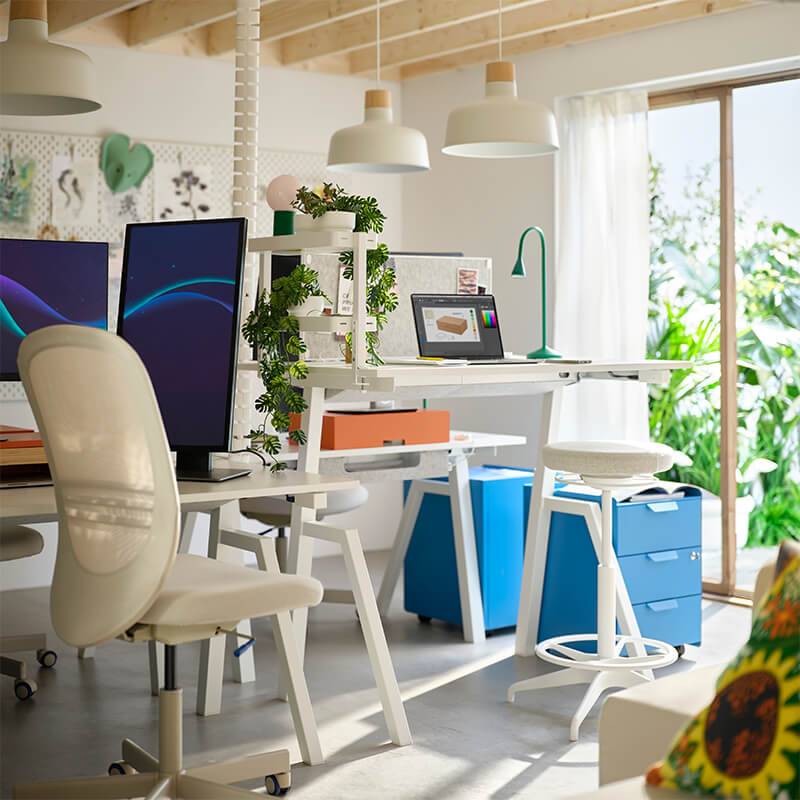
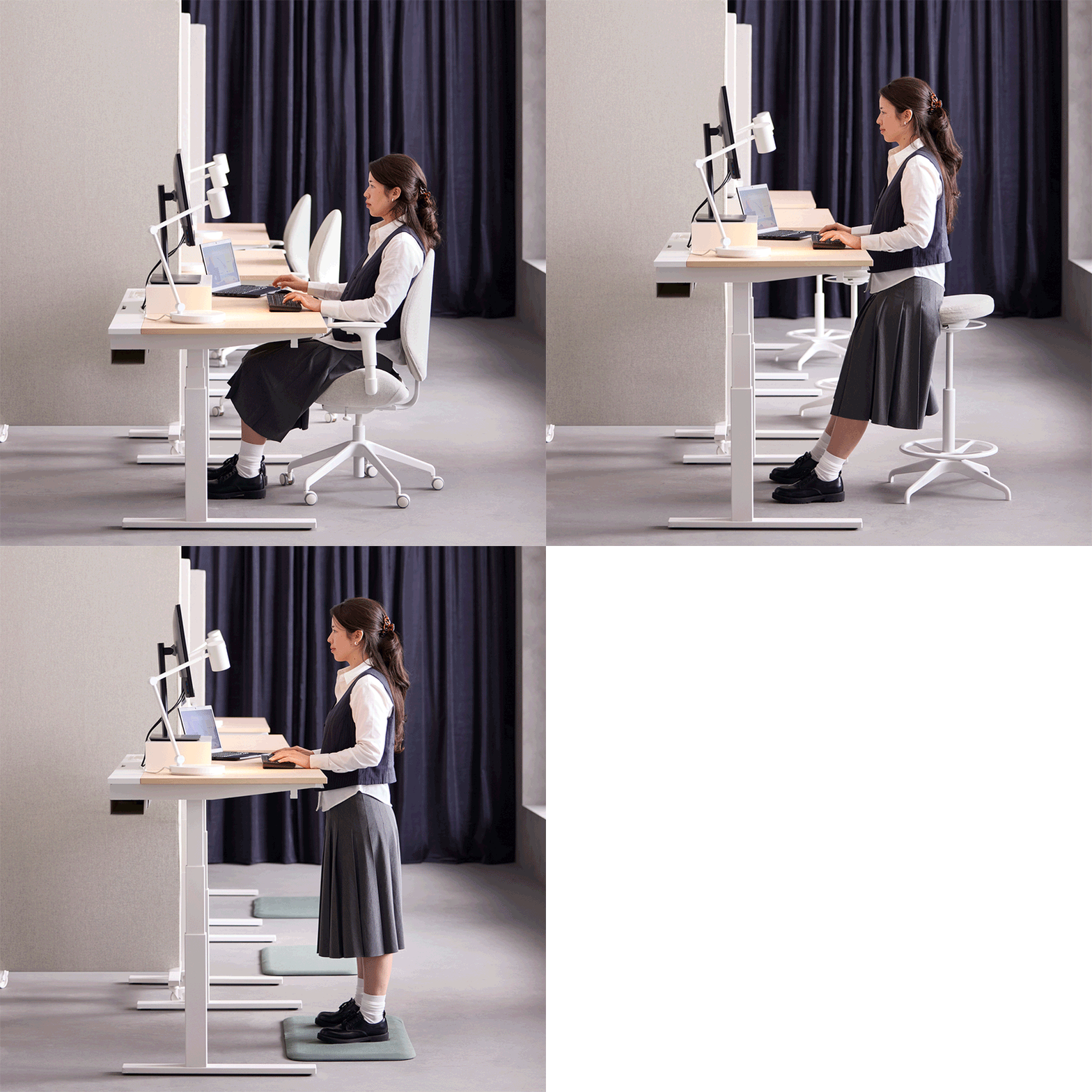
How do desk dimensions vary depending on their intended use?
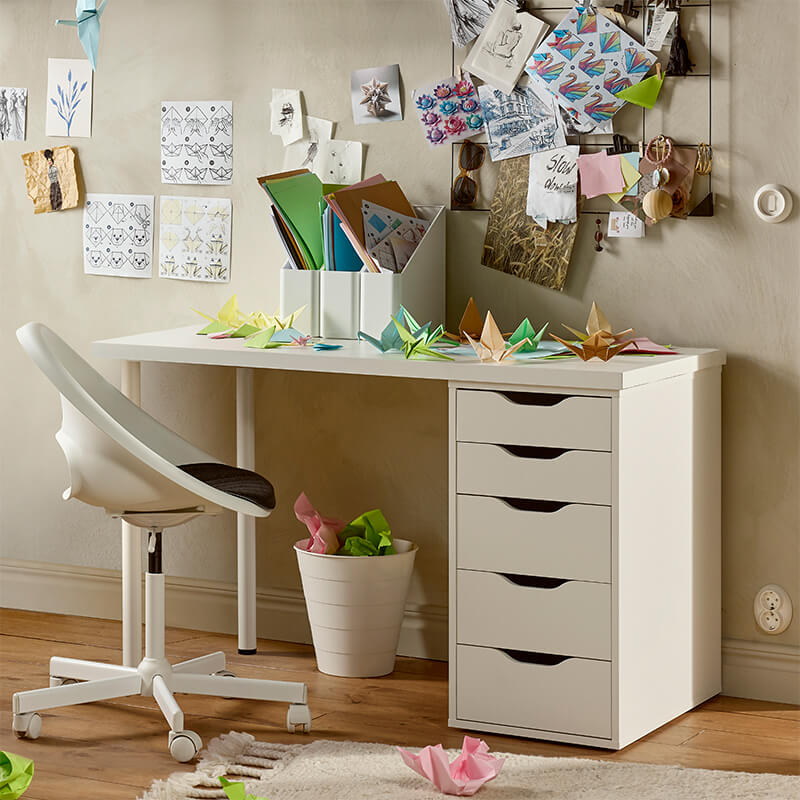
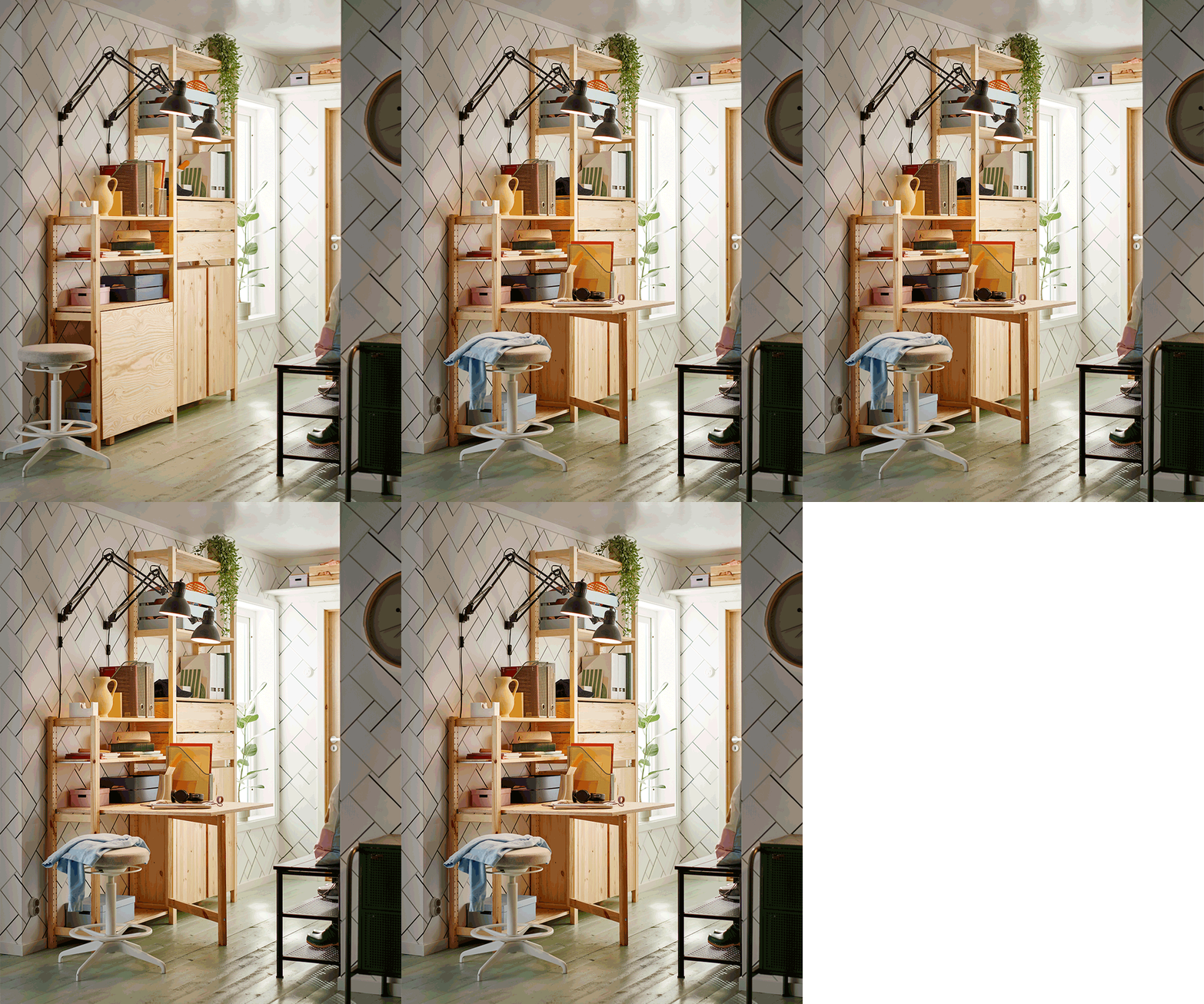
Desk dimensions vary according to different needs, such as working from home, studying, using a computer or creating a space for hobbies. Therefore, when choosing a desk, you should consider not only the size of the room but also how you will use the desk throughout the day. If you have a lot of storage needs, desks with bookcases can combine the desk surface with shelving space in one unit.
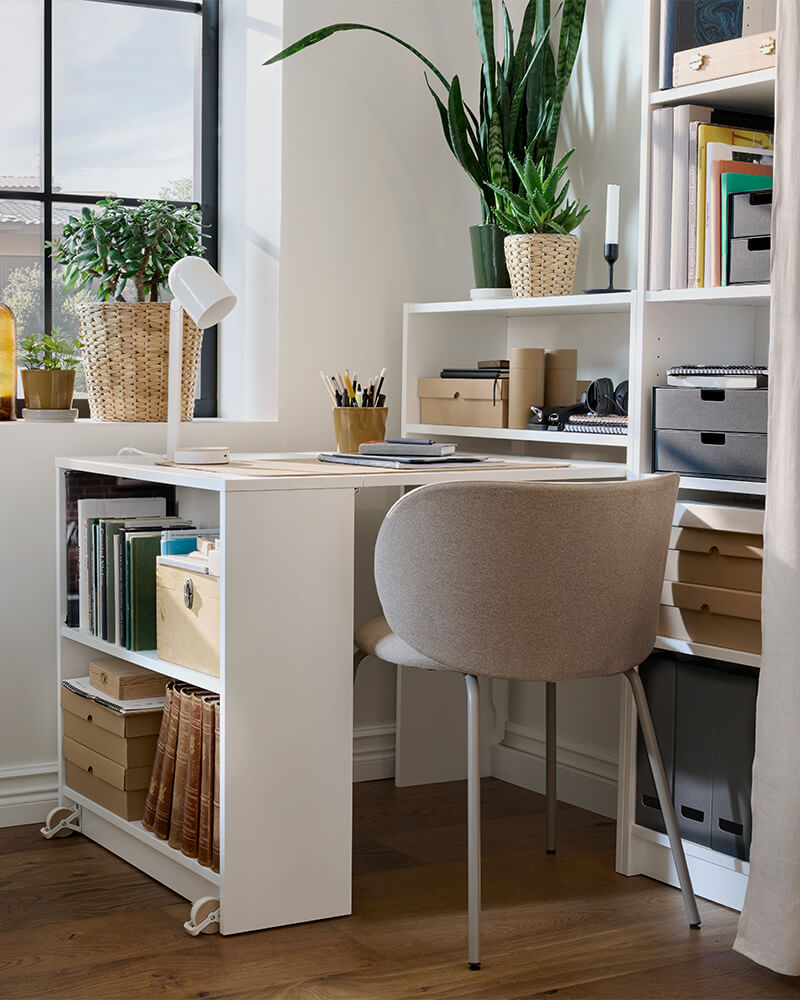
What should the dimensions of an office desk be?
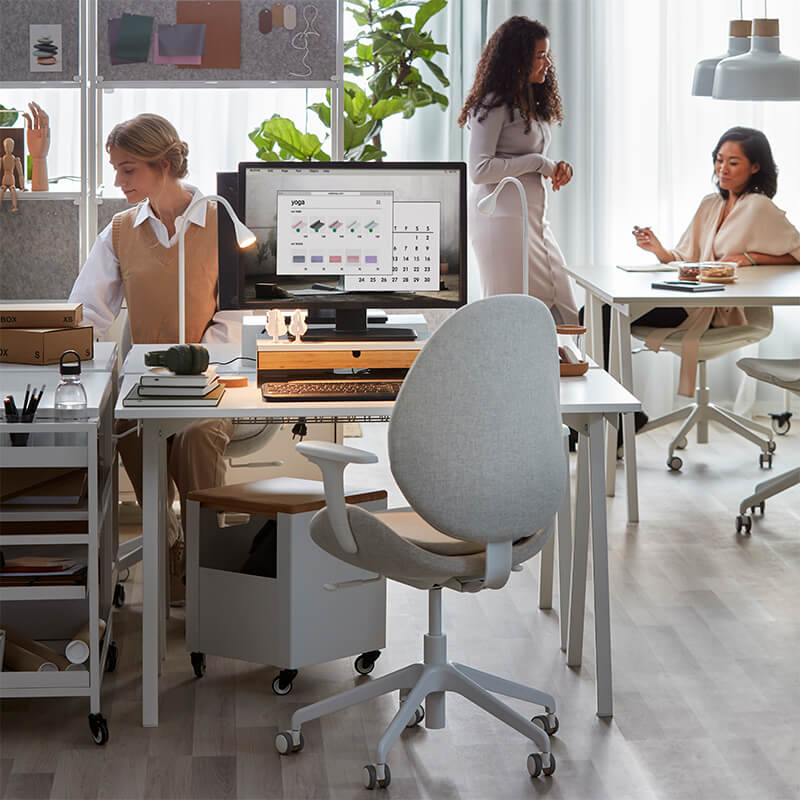
Office desk dimensions should allow space not only for computer equipment but also for documents, notepads and everyday work materials. Whilst a more compact desk may suffice for a simple single-screen setup, a dual-screen setup or frequent use of paperwork may require a larger surface area. When choosing from office desks, you can also consider cable management and storage space as well as desk dimensions.

What are the suitable dimensions for a computer or laptop desk?
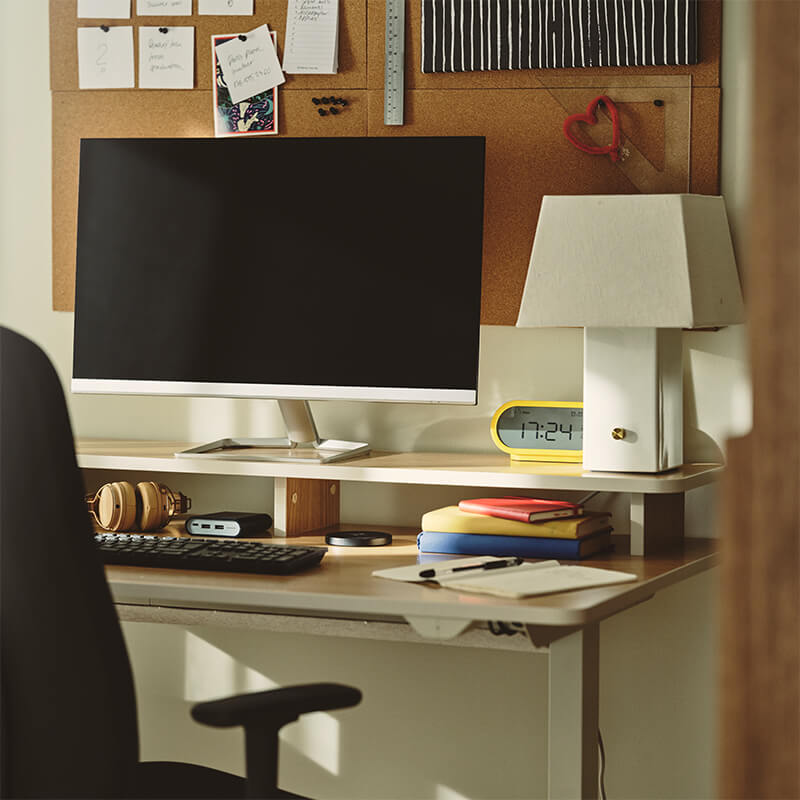
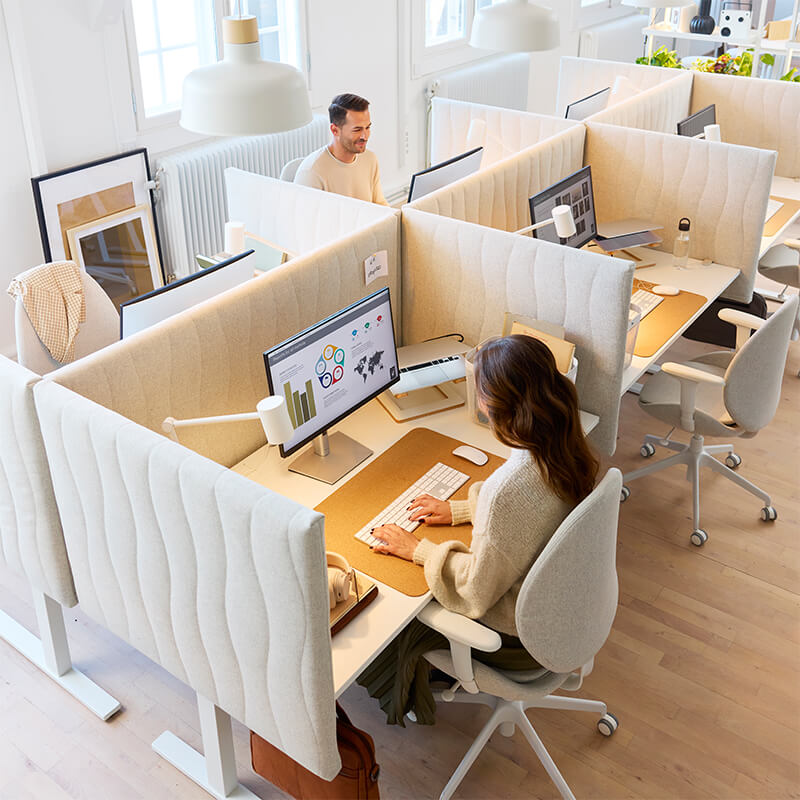
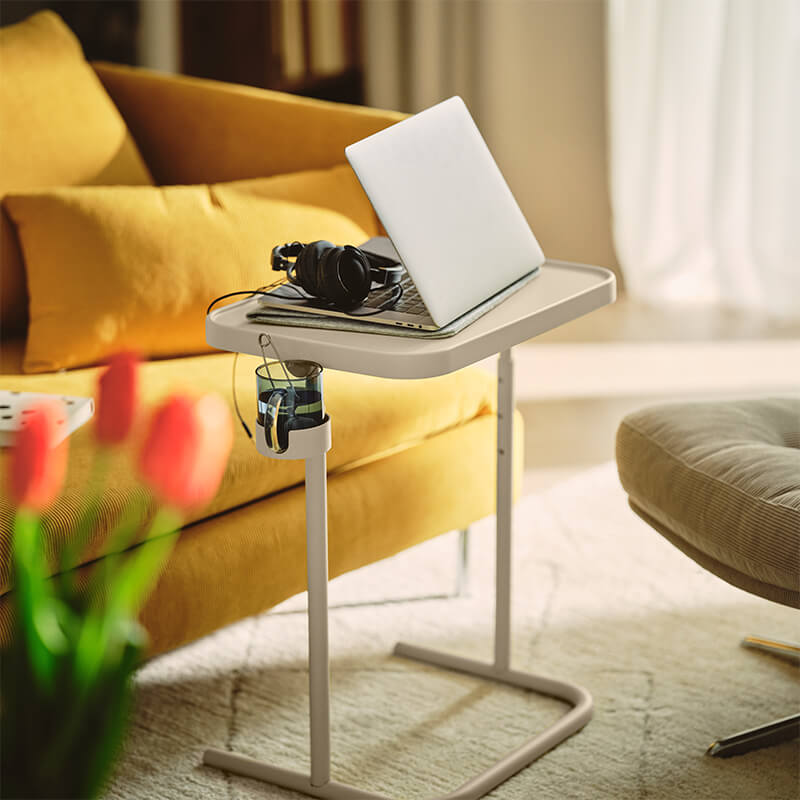
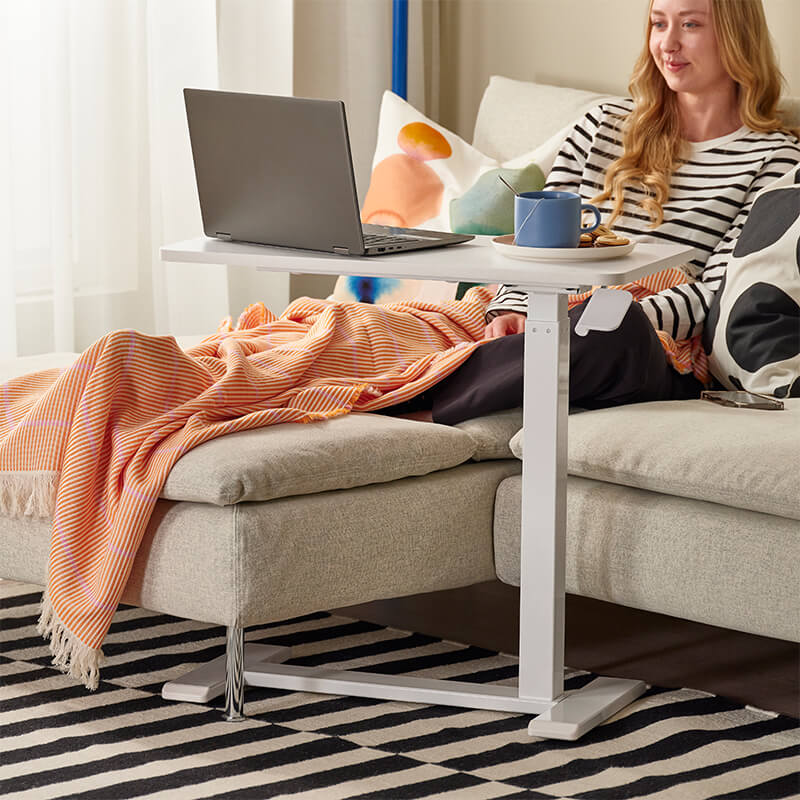
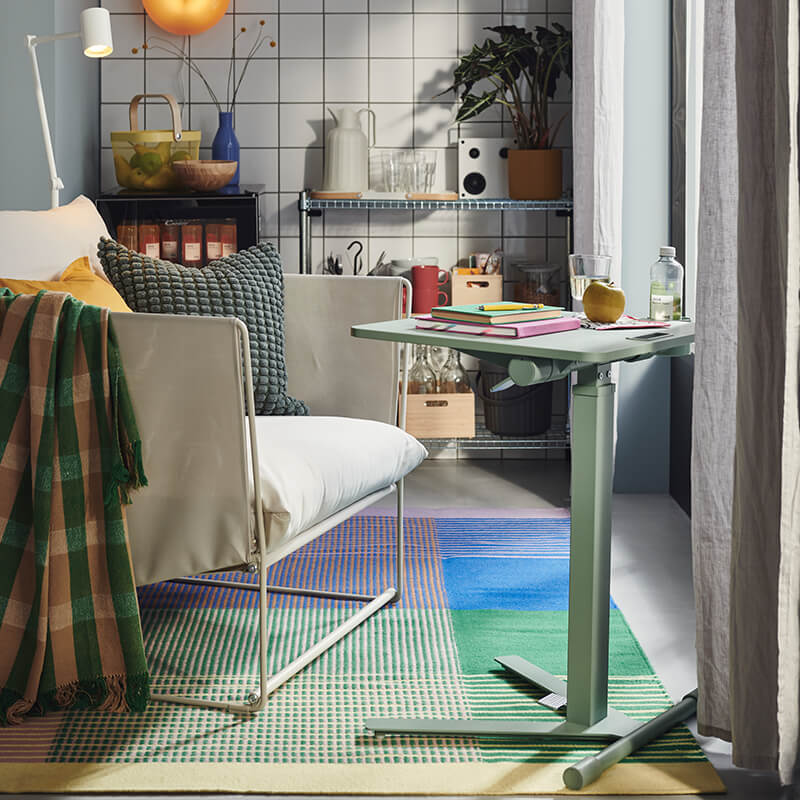
The dimensions of a computer desk should allow for the monitor, keyboard, mouse and other equipment to be positioned comfortably. In a setup where a monitor is used, the desk should be deep enough to ensure there is sufficient distance between the screen and the user’s eyes. For those who use only a laptop, laptop desks may offer a more compact option. When selecting the dimensions of a desk, it is also important to ensure that the wrists can rest comfortably on the desk surface.
How do the dimensions of children’s desks vary according to age?
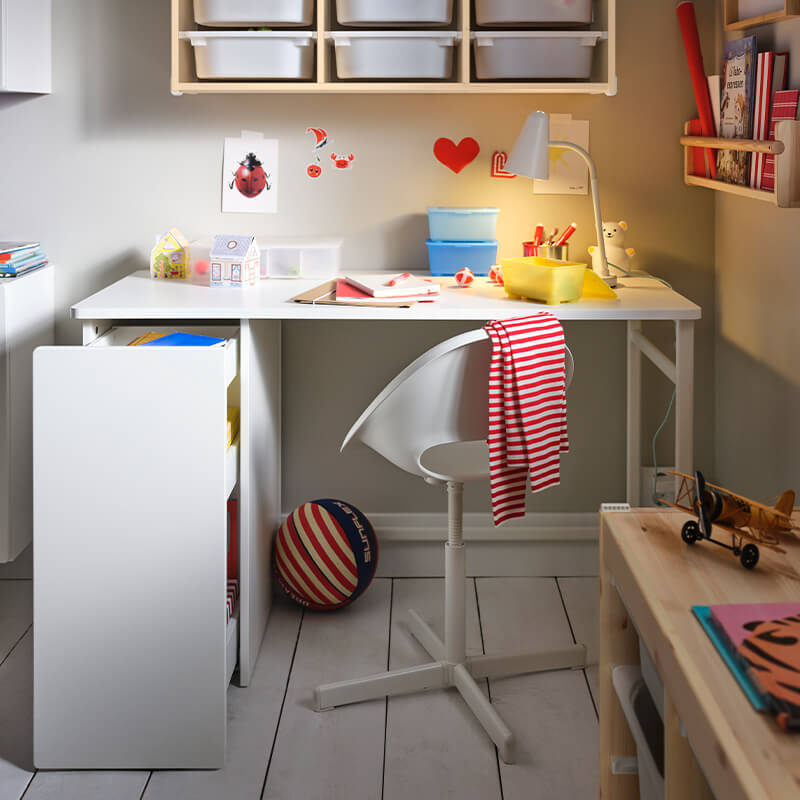
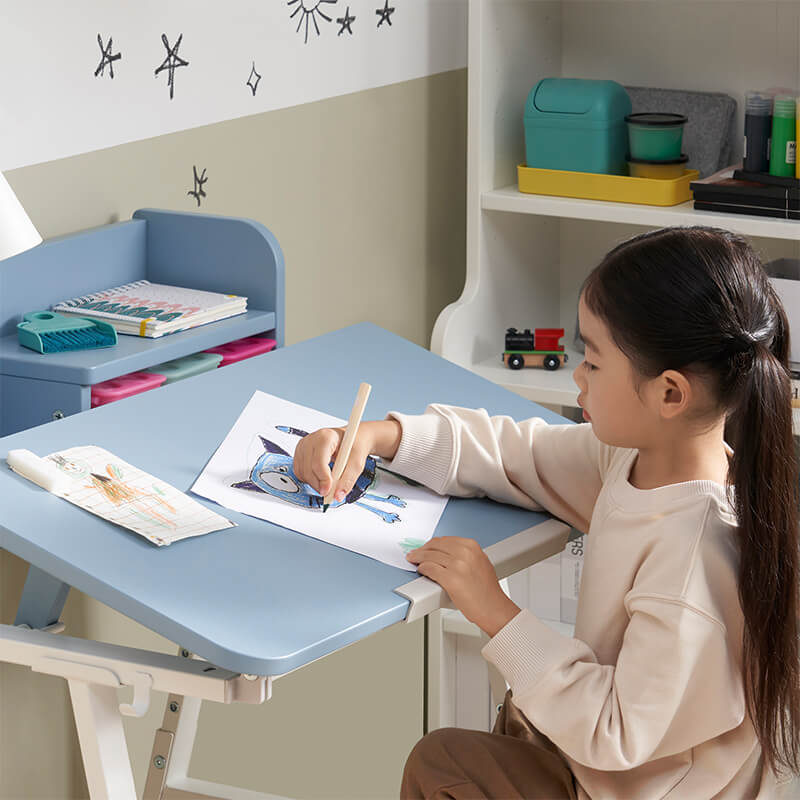
The dimensions of children’s study desks should be assessed differently from those of adult desks, as height and seat height change with age. When selecting children’s desks, it is important to consider the height of the desk in relation to the chair, ensure that the feet are properly supported, and ensure that the desk surface is large enough for everyday use. The dimensions of a study desk should also provide sufficient surface area for books, notebooks and, where necessary, a computer.
How do you choose a desk based on the size of the room?
When determining the dimensions of a desk for a small room, models that do not obstruct passageways and can be positioned more narrowly or close to the wall offer advantages. In larger rooms, however, larger desktops, additional storage units or L-shaped solutions may be considered. Leaving enough space between the desk and other furniture, such as walls, cupboards and beds, to allow for chair movement makes daily use more comfortable.
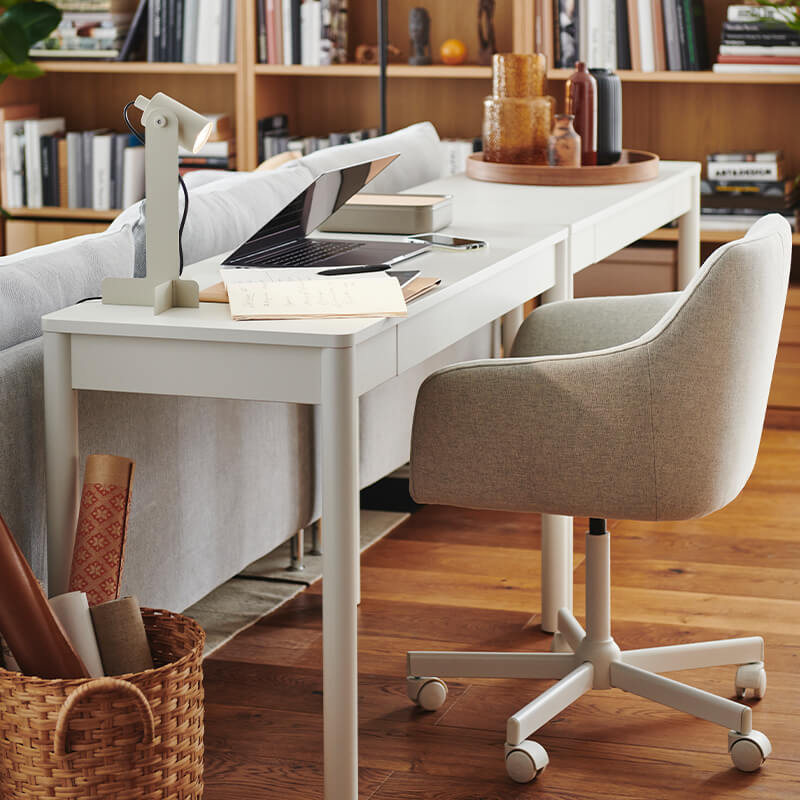
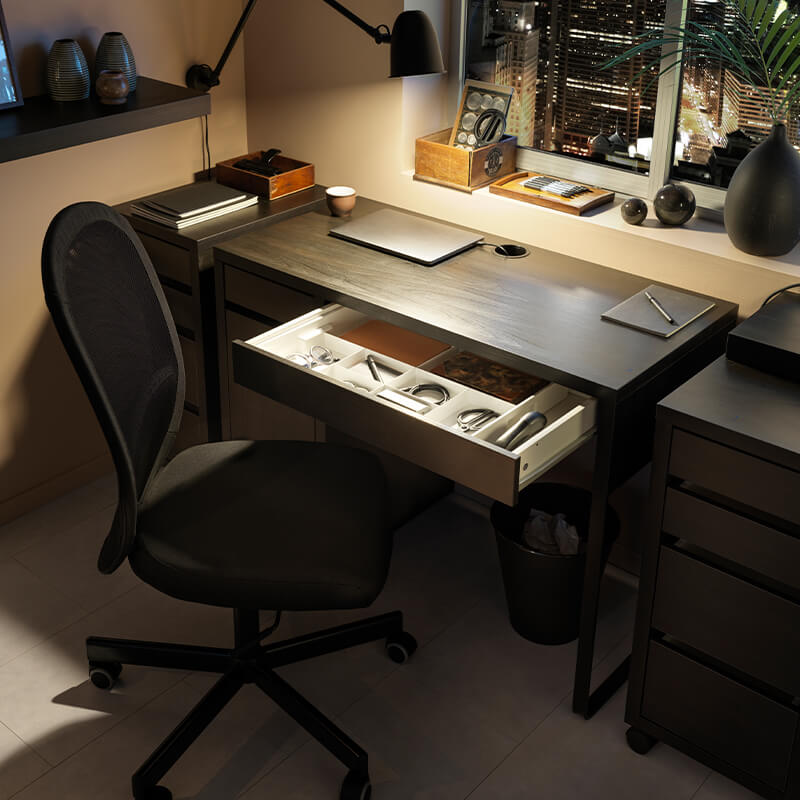
Design your own desk
Çalışma masası ölçüleri kadar masanın ihtiyaçlarınıza uygun olması da önemlidir. IKEA çalışma masası planlayıcısı ile farklı masa tablalarını ve ayak seçeneklerini bir araya getirerek odanıza ve kullanım alışkanlıklarınıza uygun bir çalışma masası oluşturabilirsiniz. İster dar bir köşede ister geniş bir çalışma alanında kullanın, kendi masanızı planlayarak ihtiyaçlarınıza uygun bir düzen oluşturabilirsiniz. It’s just as important that your desk suits your needs as it is to get the measurements right. With IKEA’s desk planner, you can combine different desk tops and leg options to create a desk that suits your room and how you use it. Whether you’re using it in a tight corner or a spacious workspace, by designing your own desk, you can create a layout that meets your needs.