How to store leftover food?
You can reduce waste by properly storing and reusing leftovers from large meals or daily meal prep. A planned approach to using leftovers helps you preserve the whole and establish sustainable habits in the kitchen. So, how do you store leftovers and use them? Of course, with the right storage containers, proper cooling time, and reuse ideas, you can safely consume leftovers.
How should leftovers be stored?
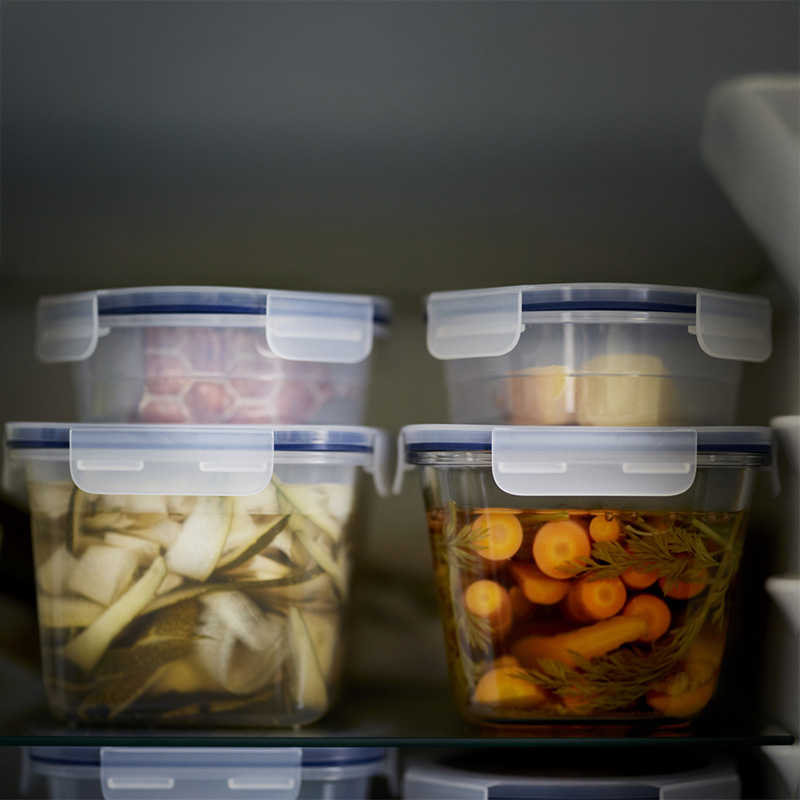
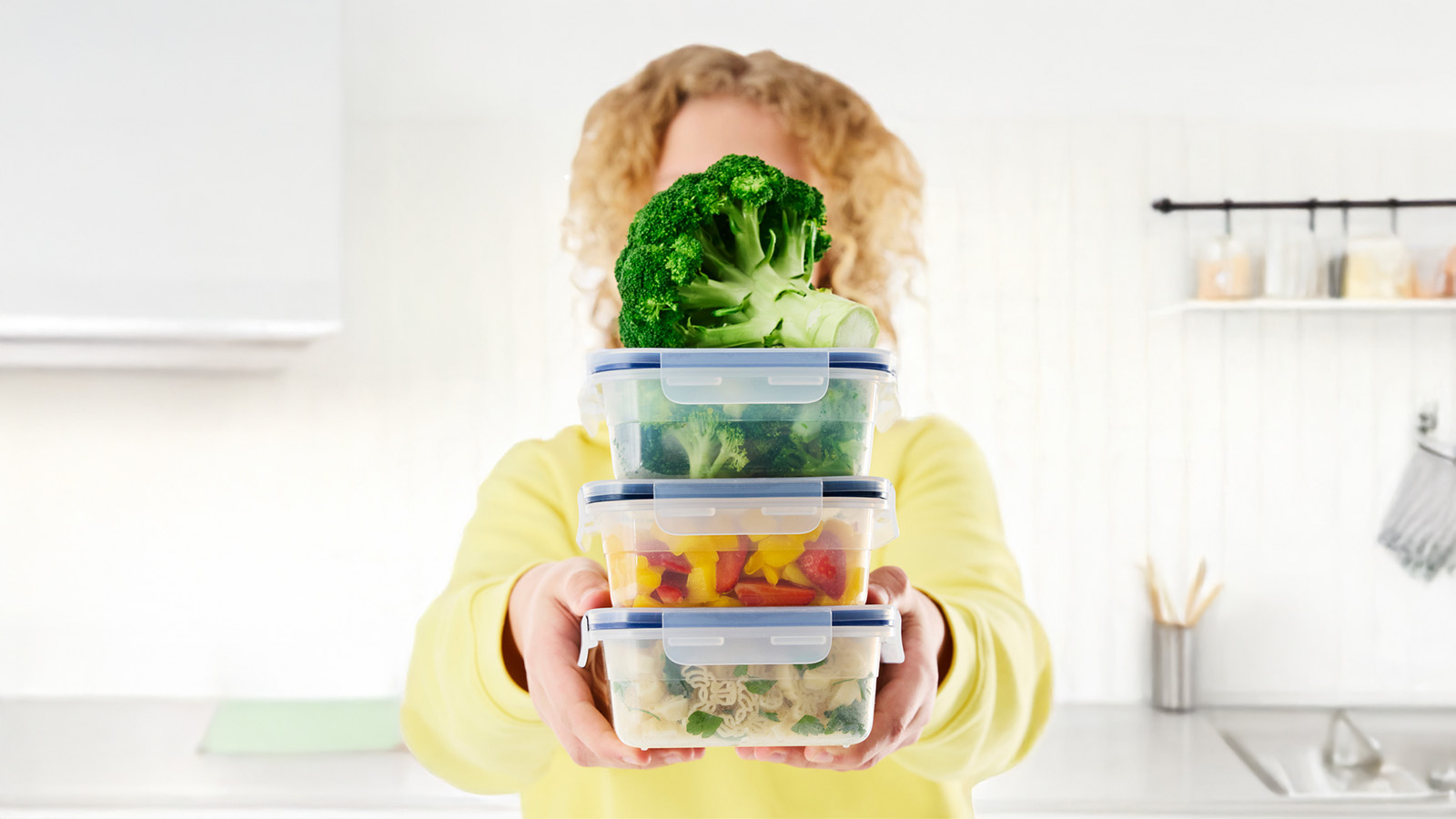
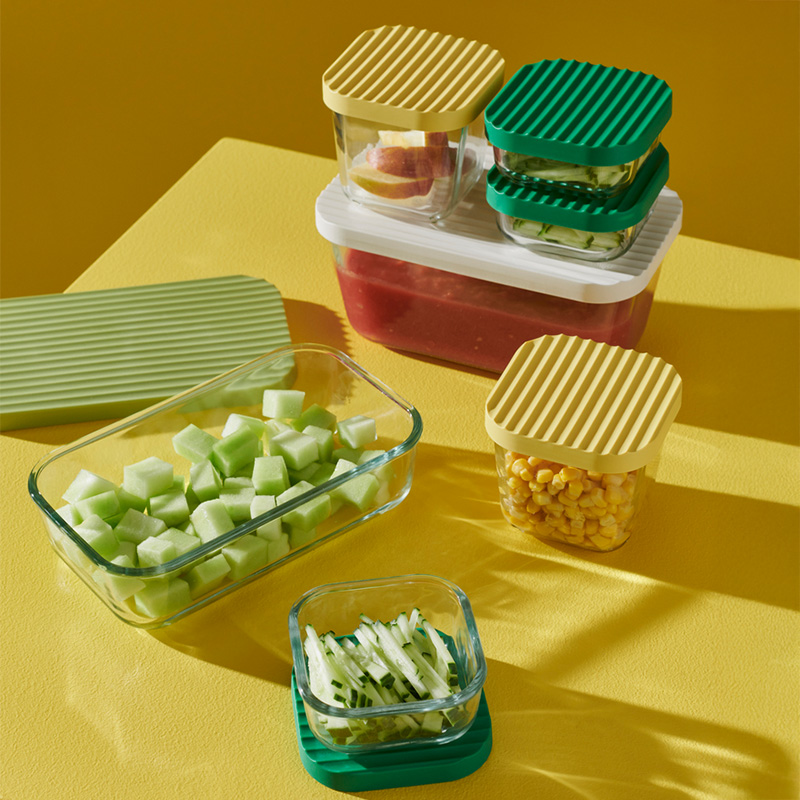
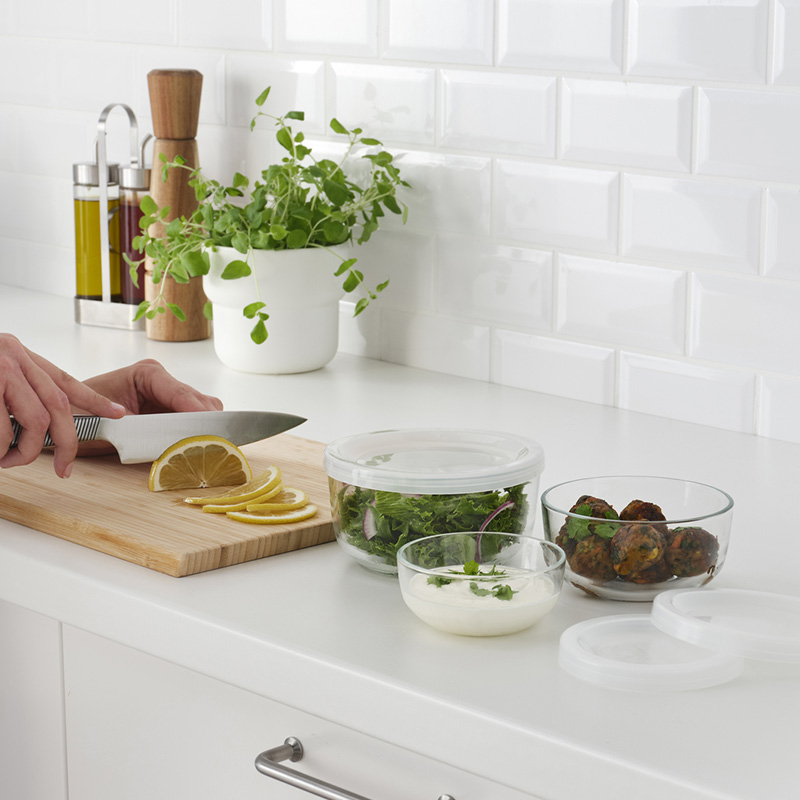
The first step in storing leftovers is to avoid leaving food at room temperature for long periods. It is important to transfer your food to suitable containers and refrigerate it as soon as possible. Reducing contact with air during storage helps preserve freshness. At this stage, solutions such as glass storage containers with lids can help preserve the aroma of food. A planned process for utilizing leftovers also involves tracking the storage time according to the type of food. This way, you can ensure safe consumption and also utilize your leftovers in different recipes. As well as leftovers, you can look into food storage methods to keep other food in your kitchen fresh, and choose storage containers suitable for different types of food.
What can you do with leftover home-cooked meals?
Meals prepared at home can often be transformed into a different dish for the next day. The key is to make them ready to serve again with small adjustments, without compromising the structure of your meal. If proper storage conditions are maintained during this process, the transformation becomes much easier.
How can leftover rice be used?
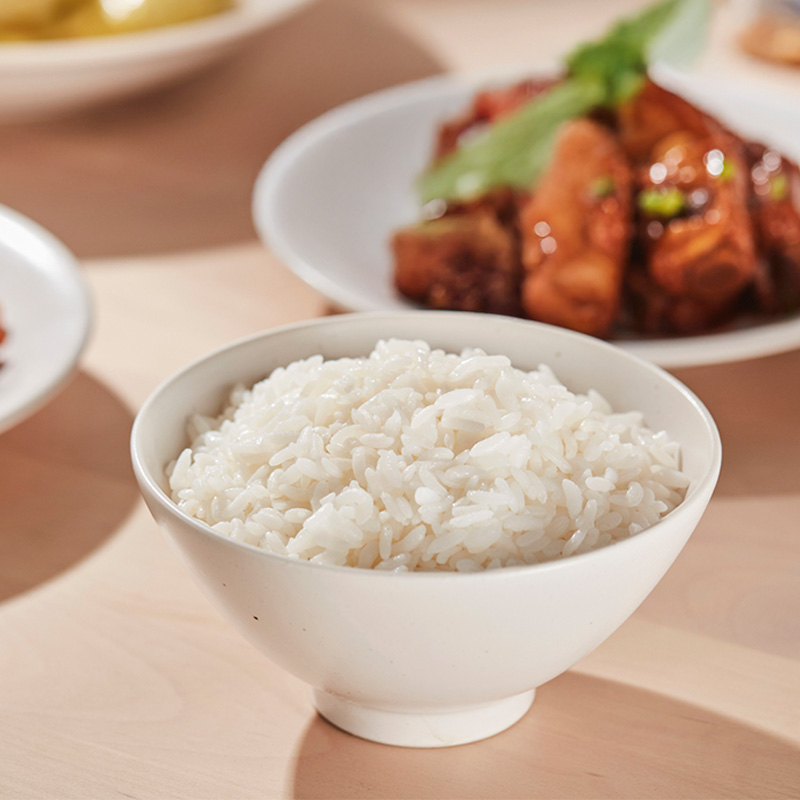
Leftover rice can be mixed with different vegetables or spices to create a new dish. It is important to store your rice in the refrigerator in a sealed container. To prevent it from drying out when reheating, you can lightly moisten it. This preserves the flavor and prevents waste.
How can leftover potato dishes be used?
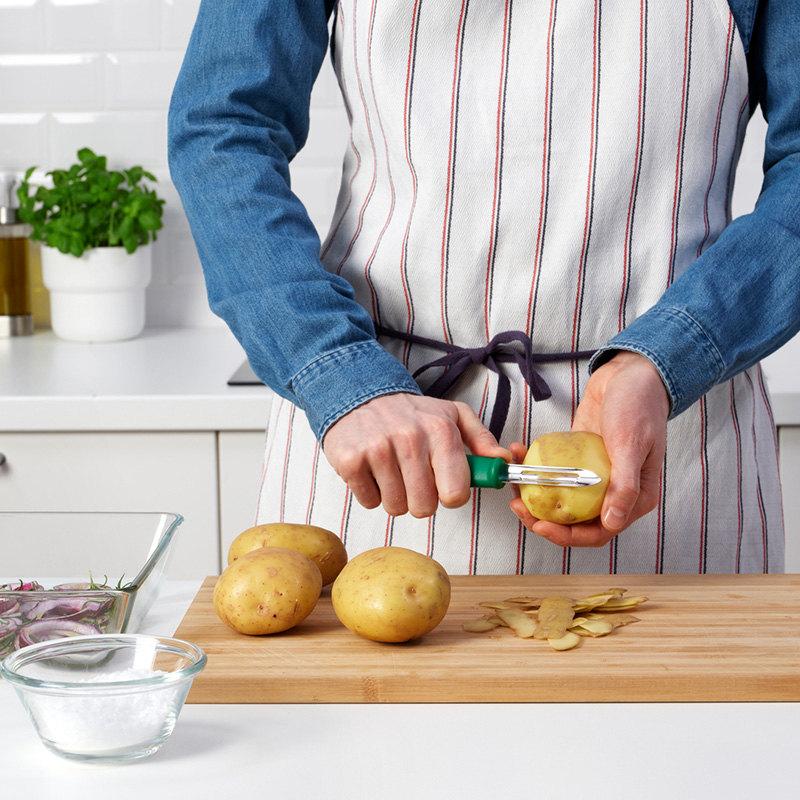
You can transform potato-based dishes into something different the next day. Mash them into a mixture or use them as an ingredient in another recipe. Storing them in a sealed container helps preserve their texture.
What can you do with leftover pasta?
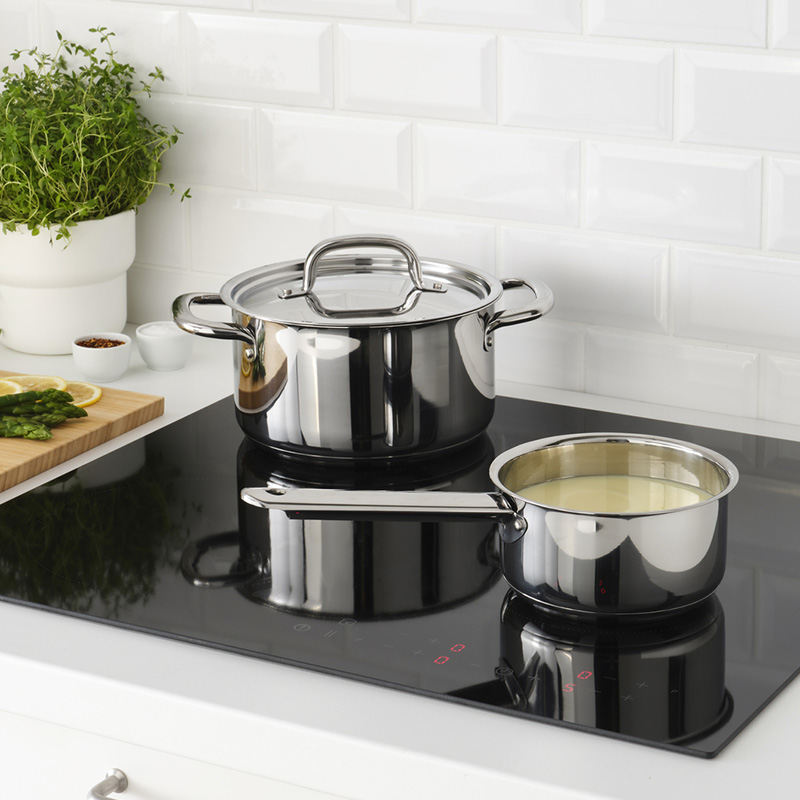
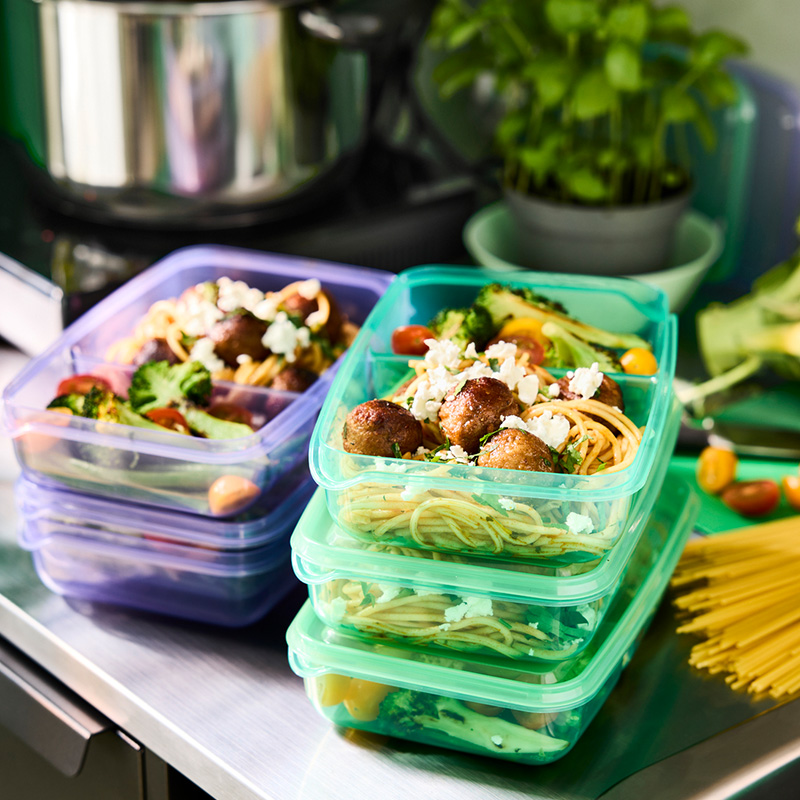
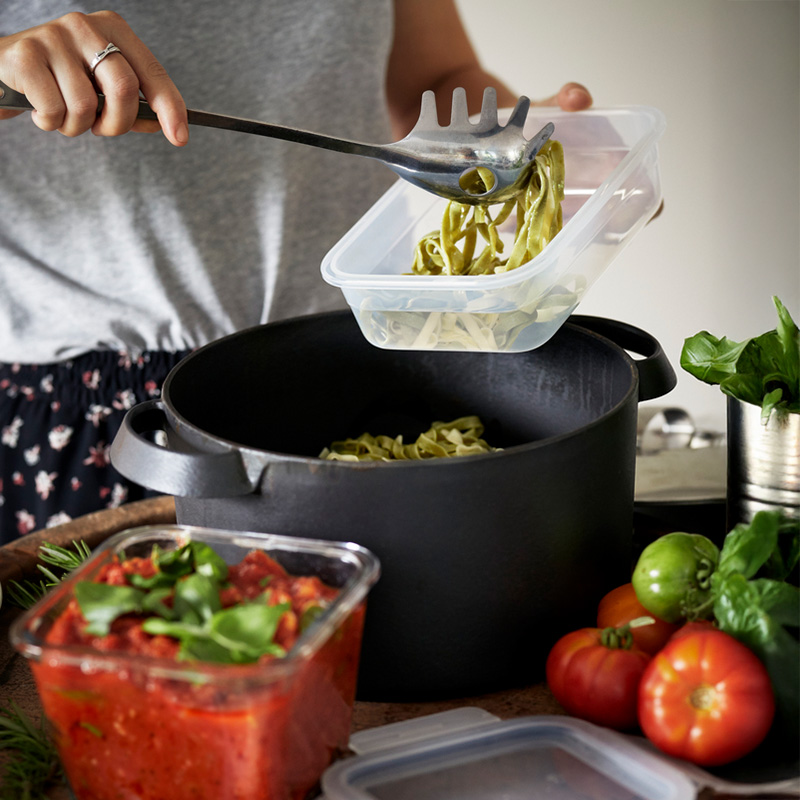
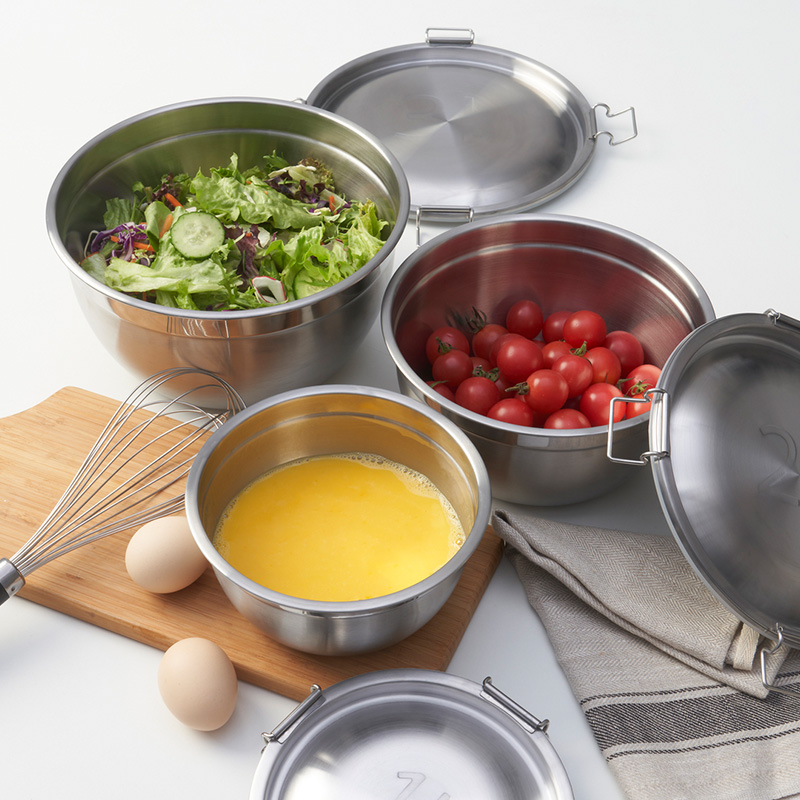
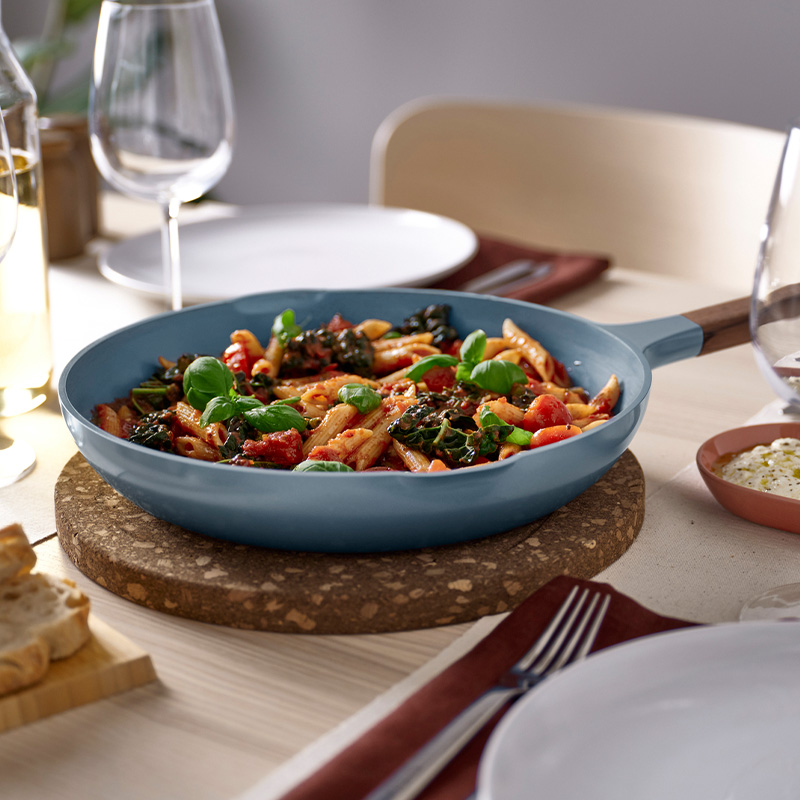
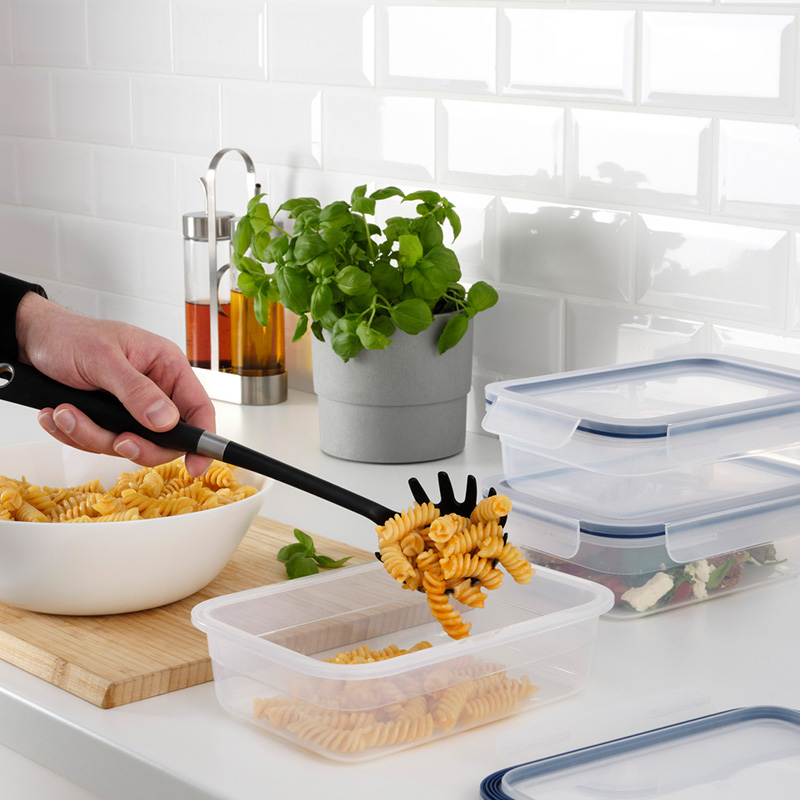
If pasta has been stored with its sauce, it can be reheated briefly and eaten the next day. Pasta stored separately from its sauce can be incorporated into a new dish. Steel storage containers can be a durable alternative for this type of food.
How should leftover meat, poultry, and fish be handled?
When it comes to animal products, storage time must be monitored more carefully. Do not delay refrigeration, and it is healthier to store them in a closed environment. You can add these types of foods to different recipes the next day, but it is important to check their freshness.
Discover food storage solutions that preserve freshness


 Airtight
 Dishwasher safe
 Freezer-safe

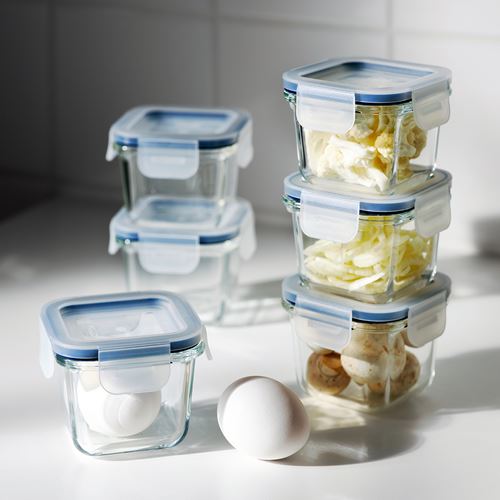
 IKEA 365+glass containet set, transparent
 Oven safeAirtightDishwasher safe

 AirtightFreezer-safe
 Leakproof

 AirtightDishwasher safe
 Stackable
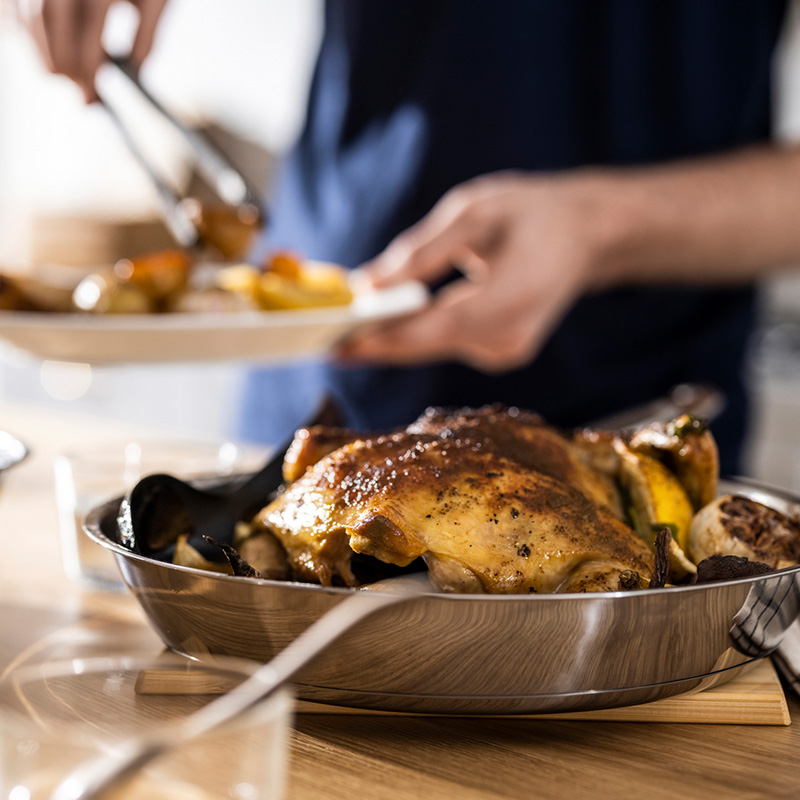
Can leftover chicken from yesterday be reheated and eaten?
If it has been stored under proper conditions and there is no change in smell or color, you can safely reheat and consume the chicken. It is important that the internal temperature reaches a sufficient level during reheating.
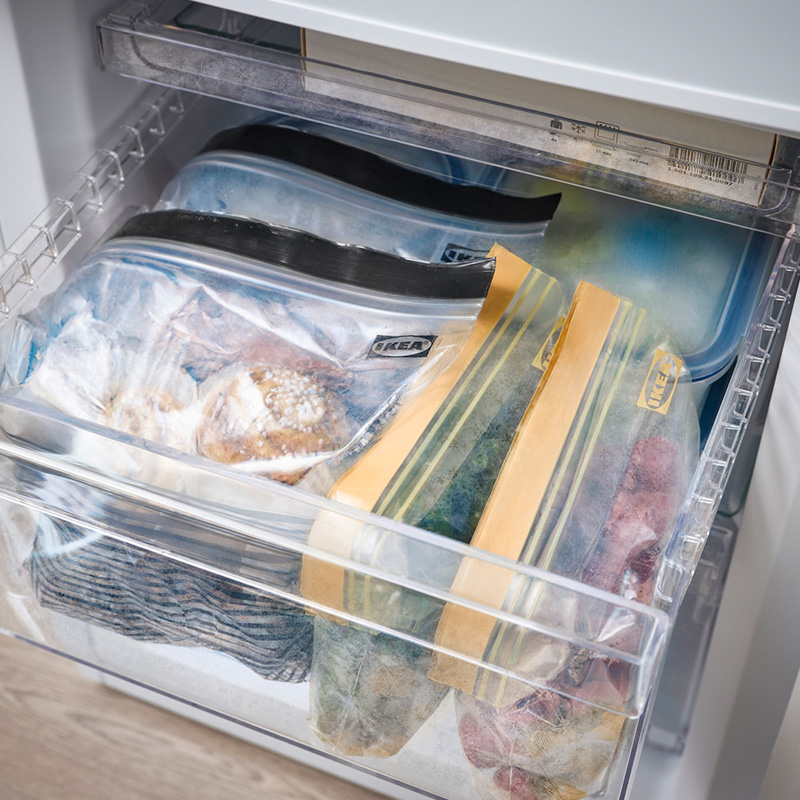
Does chicken spoil in the freezer?
Chicken stored in the freezer can last longer if it is properly packaged. However, it is not recommended to refreeze it after thawing. Labeling during storage makes the process easier.
How should leftover meat dishes be stored?
Meat dishes can be stored by dividing them into small portions. You can use them in a different meal the next day. It is important to use a sealed container for storage and to keep the refrigerator temperature constant.
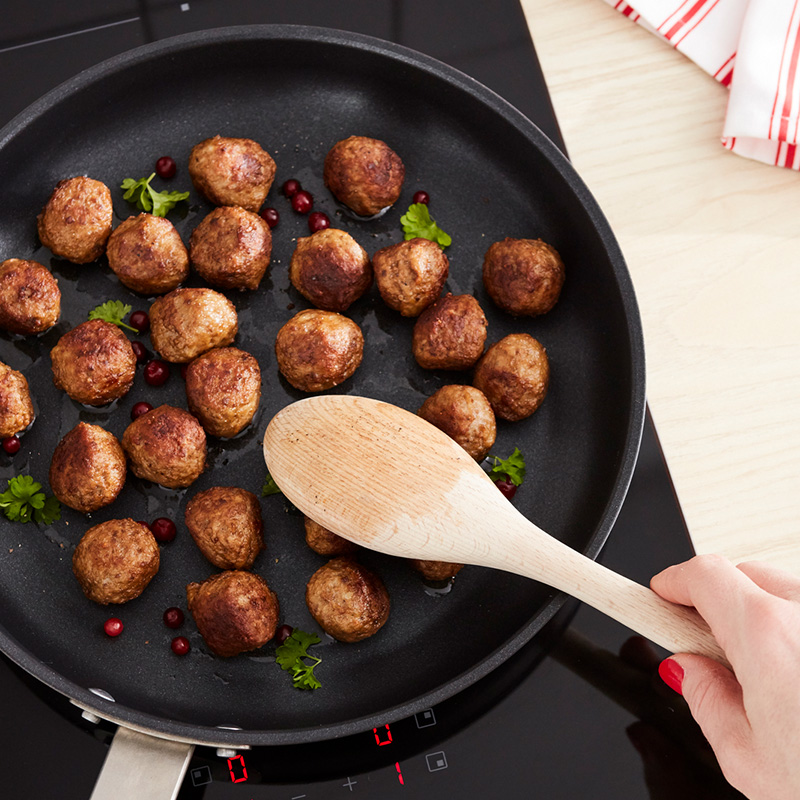
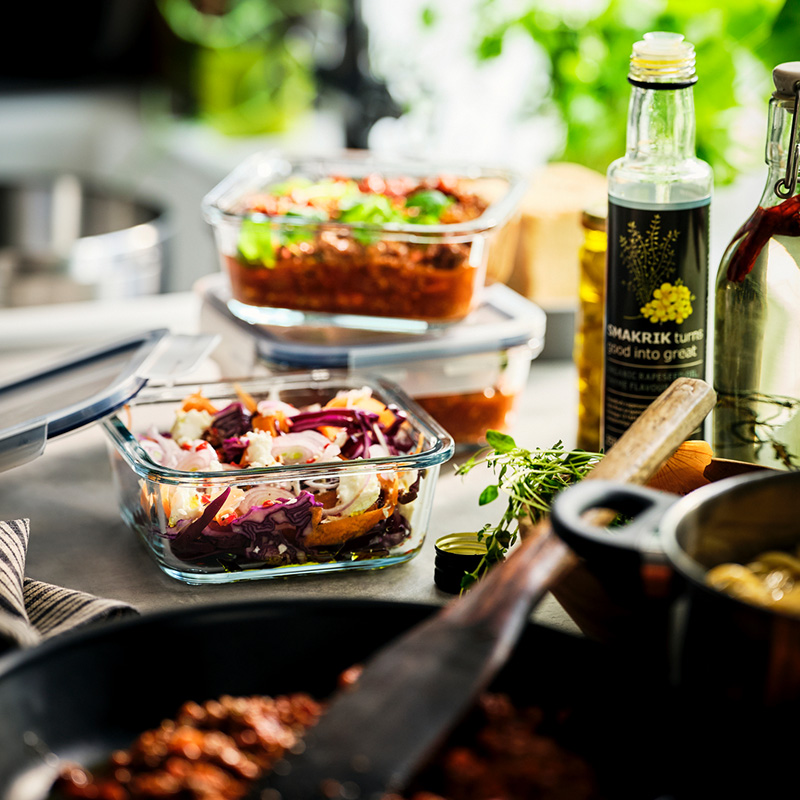

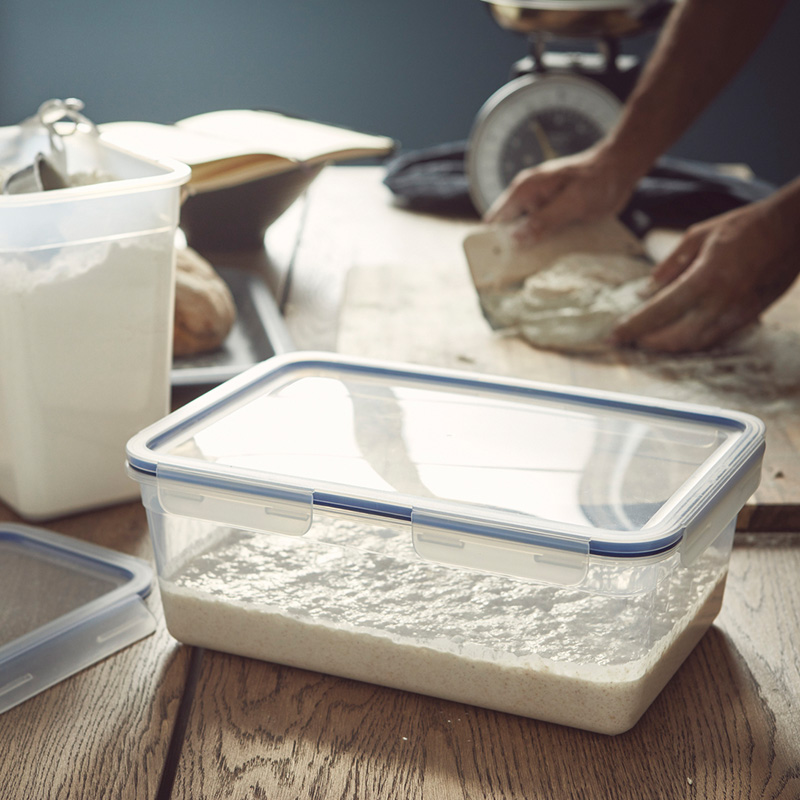
How should leftover breakfast items and baked goods be handled?
Leftovers from breakfast or baked goods can be consumed the next day if stored properly. Maintaining moisture balance is important at this stage.
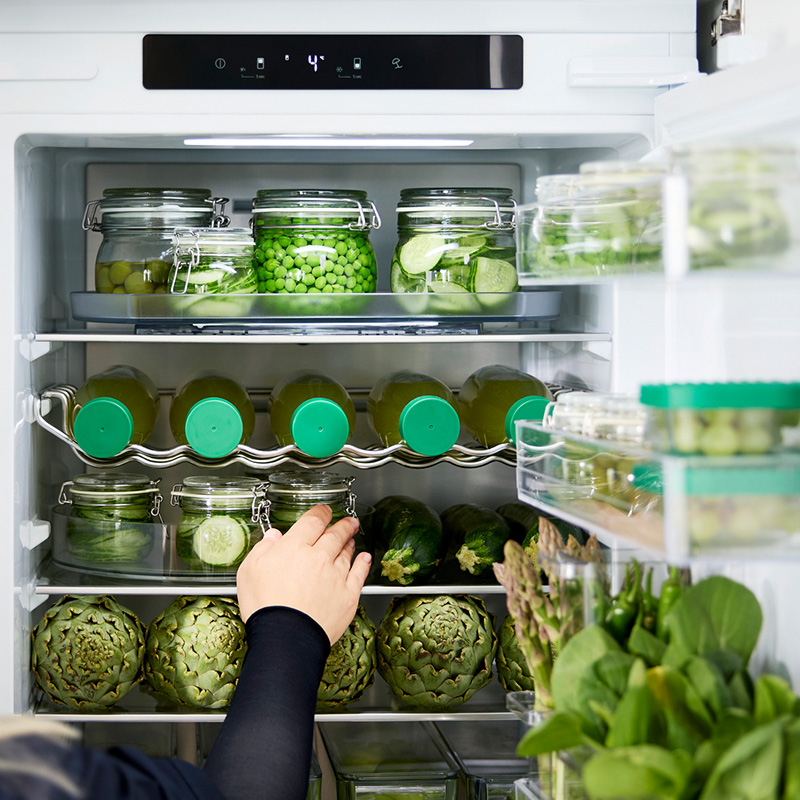
How should leftover legumes and soups be handled?
Legume dishes and soups generally develop a richer flavor the next day. However, storage conditions are also important here.
How should leftover sauces, mixtures, and semi-finished products be handled?
Sauces or mixtures prepared in advance can also be reused if stored properly. You can develop a practical habit by dividing them into small portions and adding a date note. For example, you can store leftover béchamel sauce for a short time and use it in a different dish the next day. It is important that the béchamel sauce is not exposed to air. Or, leftovers from the previous day should be evaluated according to their storage time. It is recommended that you consume dairy or yogurt-based ingredients within a shorter period of time. You can decide after checking the appearance and smell.