
Removing cat hair: How to deal with cat hair at home?
Our cats are adorable companions that bring joy to our lives. However, one of the sweet challenges of owning a cat can be the never-ending task of cleaning up their hair. On sofas, carpets, clothes... Dealing with the hair cats leave behind can sometimes feel exhausting. But don't worry! With the right methods and small habits, ridding your home of cat hair is much easier than you might think.
Possible causes of cat hair shedding
It is perfectly natural for cats to shed hair, but certain factors can increase this shedding. Seasonal changes, particularly in spring and autumn, can cause increased shedding. Nutrition can directly affect coat health; a diet rich in protein and Omega-3/6 can help make the coat stronger and shinier. Stress, age, hormonal changes, and certain health issues can also increase shedding. By considering these factors, you can better understand your cat's shedding habits.
Preventive steps to reduce shedding
Although it is impossible to completely stop shedding, you can take some preventive steps to reduce it. The most important is regular grooming. You can brush your cat several times a week with a special cat brush to collect loose hair in advance. You can increase the frequency, especially during shedding seasons. A high-quality, balanced diet can help keep their coat healthier. It is also very important to take your cat for regular check-ups at the vet; by preventing potential health problems, you can keep shedding under control.
See all pet products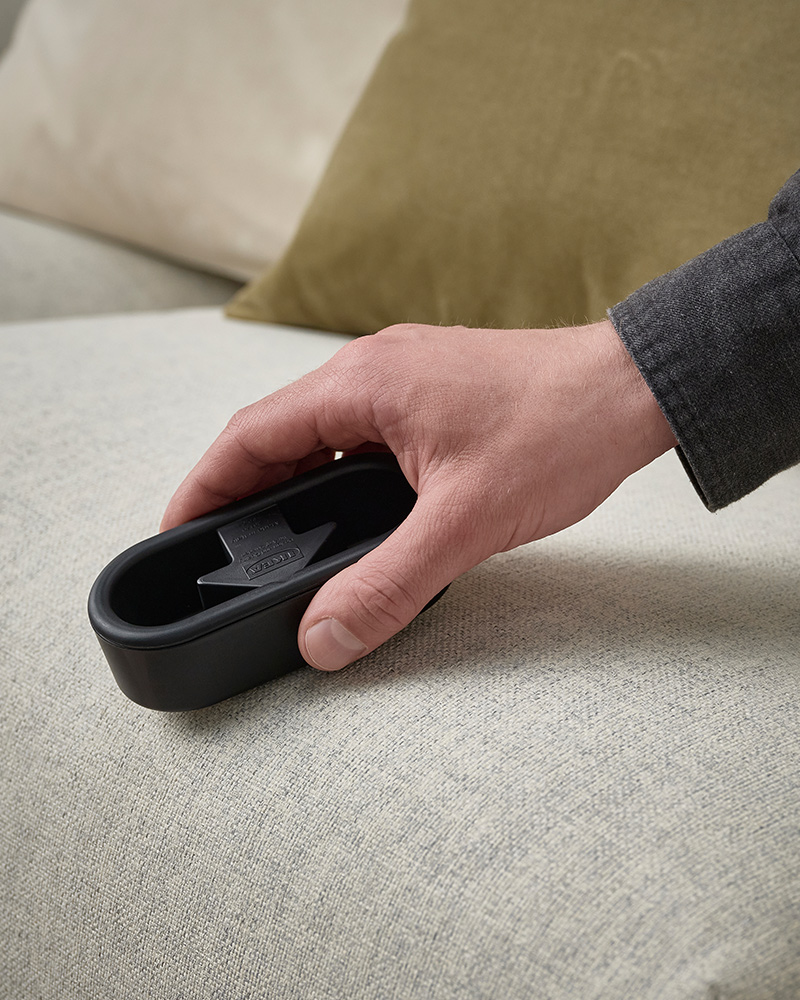
Tips for removing cat hair from furniture
Furniture, especially armchairs and sofas, is where cat hair accumulates the most. Removing hair from fabric surfaces can sometimes seem challenging, but there are effective methods: Microfibre cleaning cloths allow you to easily collect hair by attracting it like a magnet. You can gather the hairs in one place by wiping your furniture with a slightly damp microfibre cloth.
Rubber gloves also work wonders in this regard. Put on the gloves, dampen them slightly, then wipe your furniture to gather the hairs into balls, which you can then easily pick up and throw away. You can also deep clean the hairs using the sofa and corner attachments on your vacuum cleaner. A damp cloth is usually sufficient for leather or faux leather furniture.

How to clean cat hair from carpets and rugs
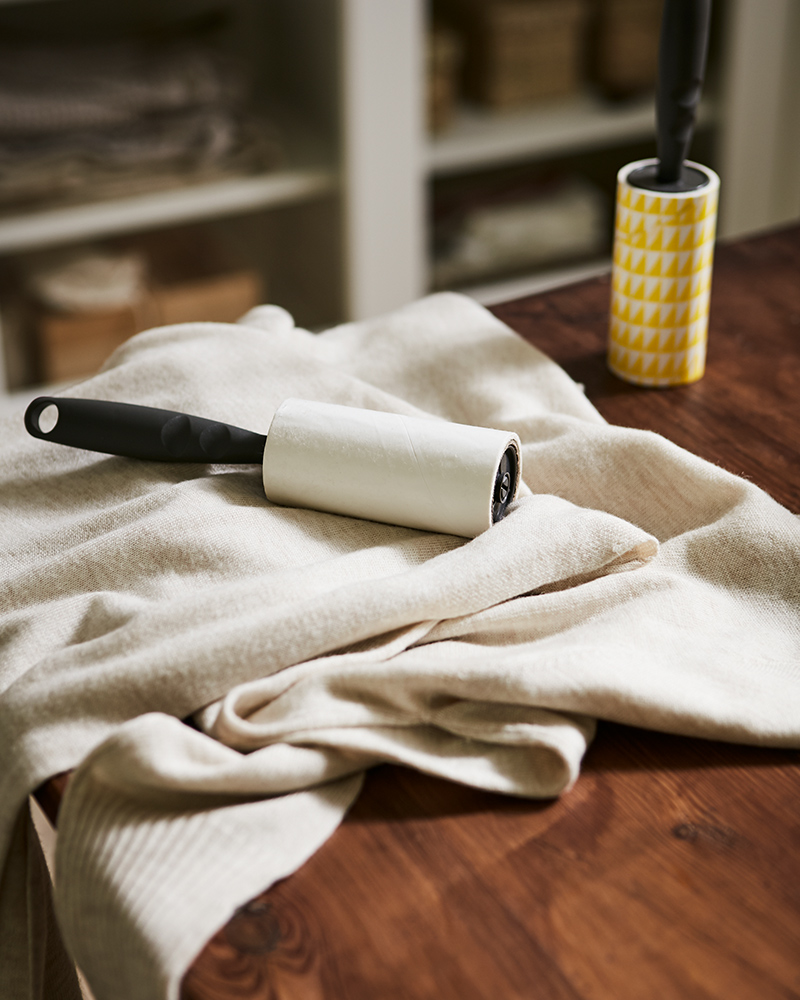
Carpets and rugs are the surfaces that trap the most cat hair. Conventional vacuum cleaners sometimes cannot prevent the hairs from becoming deeply embedded. In this case, some special methods may come into play. Cat hair collection brushes or special hair collectors can bring hairs stuck between the carpet fibres to the surface, allowing you to collect them easily.
You can also use a rubber-tipped window squeegee to clean hair from carpets. By running the squeegee over the carpet, you can gather the hair together and then easily remove it. This method is quite practical for larger carpets. When using a vacuum cleaner, choosing a model with powerful suction and a special attachment for animal hair can make your job much easier.
Practical ways to remove cat hair from clothes
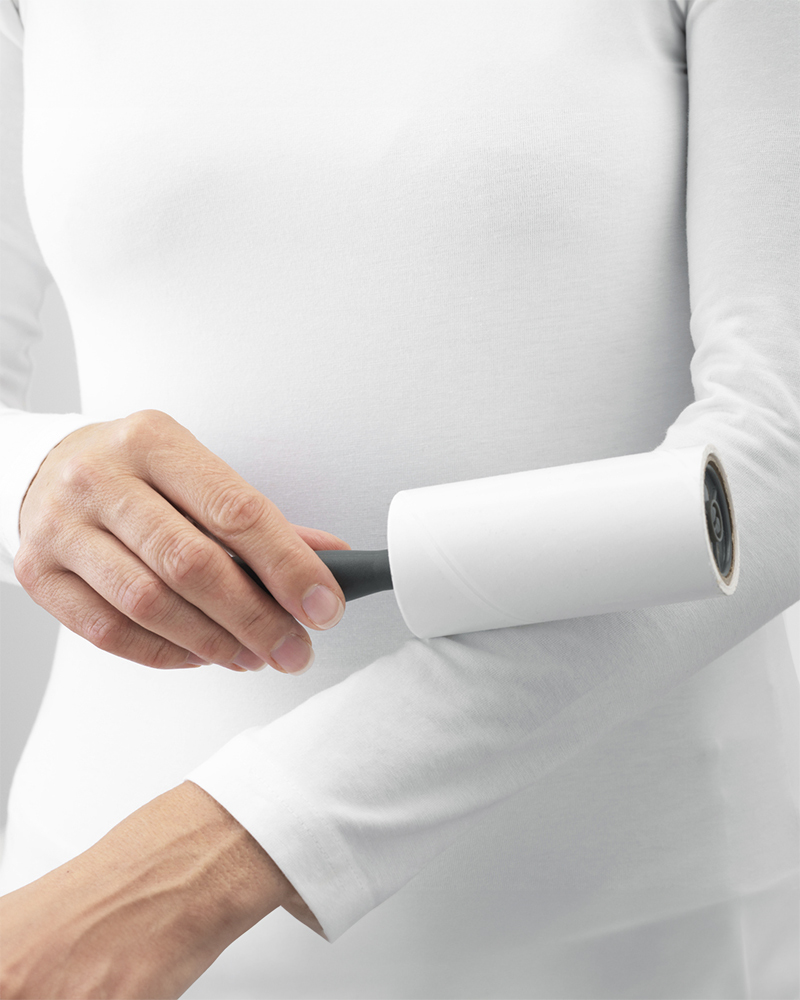
Removing cat hair from our clothes is something we often encounter, especially before leaving the house. Lint/hair removal rollers are the most practical and quickest solution for this. Their sticky surface instantly collects hair and leaves your clothes sparkling clean. It's a lifesaver that every home should have.
If you don't have a lint roller, wide packing tape can also do the job. Turn the tape over and wrap it around your hand, then use the sticky side to remove hair from your clothes. When washing in the machine, using lint catchers or special nets prevents hair from sticking to other laundry. Additionally, running the dryer on a low heat setting can collect some of the remaining hairs in the filter.
Effective cleaning tools and allergy tips
There are many specialised products available to help you clean up cat hair. Vacuum cleaners designed specifically for animal hair can thoroughly clean hair from carpets and furniture with their powerful suction and specialised attachments. Cordless handheld vacuum cleaners are ideal for small areas and quick clean-ups. Hair-collecting gloves allow you to collect shed hair while grooming your cat. Investing in these products can make cleaning up cat hair much easier and more enjoyable.
Hair cleaning is even more important for those with cat hair allergies. In addition to hair, proteins in cats' skin flakes and saliva can also cause allergic reactions. In this case, keeping the amount of hair in your home to a minimum is critical. You can significantly reduce the amount of shed hair by regularly grooming your cat and taking them to professional pet groomers when necessary. Air purifiers can alleviate allergy symptoms by filtering allergens and hair from the air. You can restrict your cat's access to sensitive areas such as the bedroom. Use vacuum cleaners with HEPA filters, which can help prevent hair and allergens from becoming airborne during cleaning. Additionally, if your allergy symptoms are severe, it is important to consult with your vet and an allergy specialist.
